Get Full Government Meeting Transcripts, Videos, & Alerts Forever!
Get email alerts on the Prescription Drug Policy topic
No spam. Unsubscribe anytime.
Bill to remove prior authorization for many generics and time‑sensitive drugs draws broad clinical support, insurer objections
Summary
House Bill 399 would bar prior authorization for many low‑cost generic oral and inhaled drugs and for certain urgent medications, with proponents saying the change would reduce dangerous delays and administrative burdens.
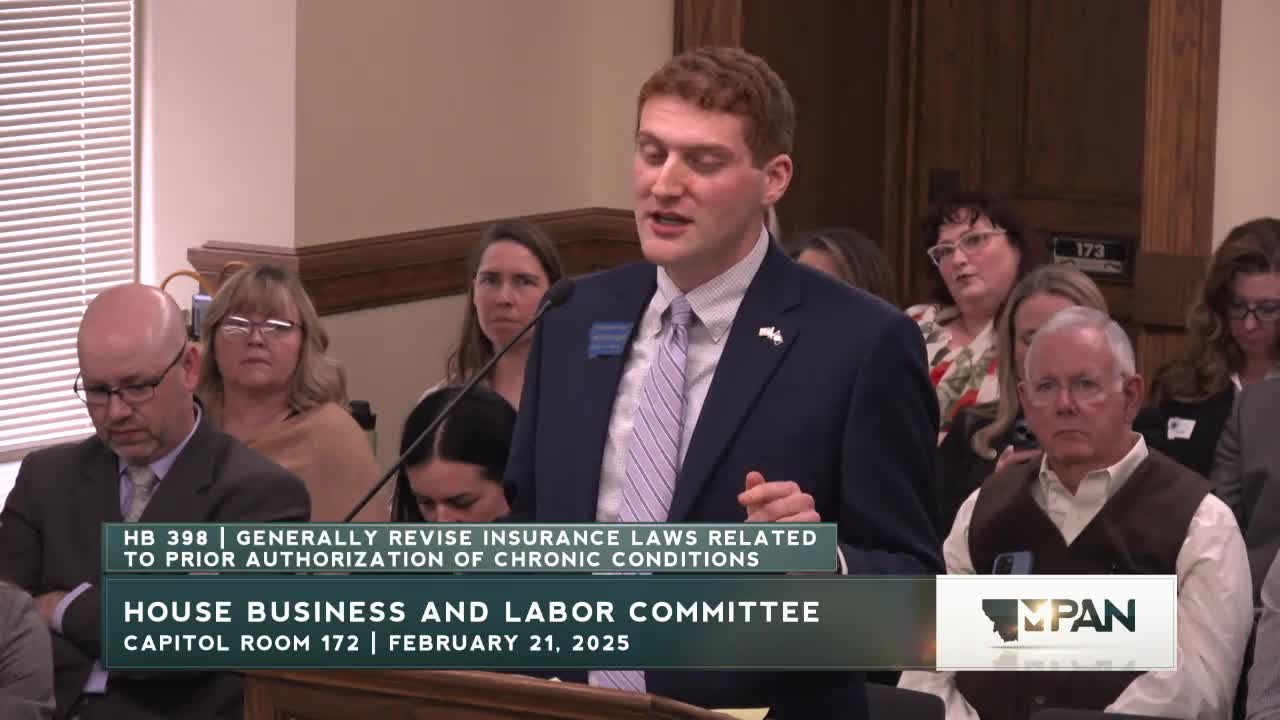
Representative Jonathan Karlen opened the hearing on House Bill 399, which would prohibit prior authorization for oral or inhaled non‑biologic generic prescription drugs and for certain time‑sensitive medications identified in the bill (for example, inhalers and insulin). The sponsor said he and negotiators accepted an amendment requested by payers excluding biologic and specialty medications (those defined using Medicare Part D and higher‑cost specialty definitions) to the carve‑out.
Why it matters: Supporters said prior authorization on inexpensive generics and essential, time‑sensitive drugs produces unnecessary delays that can result in emergency room visits, hospitalizations, or interruptions in chronic disease management. They urged the committee to remove what they described as red tape that produces downstream costs and harms.
Clinical testimony and examples: Clinicians from primary care, pediatrics, allergy and immunology, endocrinology, and community health centers described repeated examples of patients harmed or put at greater risk by delays. Dr. Saul Rivard said he spent more than an hour of clinic time on one generic prior authorization for tamsulosin, a low‑cost drug. Pediatric and allergy specialists recounted asthma patients who could not obtain the inhaler prescribed and later presented to emergency care. Dr. Sommer Monforte, an allergist, testified that some insurers require that children try multiple preferred formulary inhalers—even if they are clinically similar—before approving the prescribed medication; she said one patient required intensive‑care treatment after such delays.
Tribal health and rural providers: Alissa Snow, testifying for several tribal communities, described frequent disruptions in consistent coverage for people who change jobs or move; she said those gaps often require re‑authorizations and can undermine chronic disease control, particularly for diabetes where insulin continuity is essential.
Supporters included the Montana Academy of PAs, Montana Academy of Family Physicians, Montana Medical Association, Montana Hospital Association, Montana Pharmacy Association, tribal health representatives and community health centers. Pharmacists and clinic staff detailed the time required to manage prior authorizations and how delays force extra trips to pharmacies.
Opponents: Insurers, PBMs and industry groups opposed broad removal of prior authorization on generics. They argued that formularies and prior‑authorization rules help ensure clinical safety, avoid duplicative care and manage drug costs for the insurer’s risk pool. Cigna, Blue Cross Blue Shield of Montana, PacificSource, AHIP and PBM trade groups said some generics can vary substantially in price by formulation and that allowing insurers to manage formularies and require prior authorization for non‑formulary options preserves the ability to steer patients toward lower‑cost appropriate options. PBMs and insurers proposed maintaining prior authorization for non‑formulary drugs and for specialty items excluded by the sponsor’s accepted amendment.
Technical and administrative issues: Several opponent witnesses emphasized the role of pharmacy benefit managers and P&T (pharmacy and therapeutics) committees in evaluating drug efficacy and safety, and cautioned that removing prior authorization for a broad category could shift costs to premiums or limit insurers’ ability to negotiate prices.
The committee heard many proponents’ personal stories and clinicians’ examples of harms from prior authorization delays; insurers asked for narrow carve‑outs and technical amendments to preserve safety and plan solvency. No formal vote was recorded in the transcript excerpt.