Get Full Government Meeting Transcripts, Videos, & Alerts Forever!
Get email alerts on the Health Medical Debt topic
No spam. Unsubscribe anytime.
Medical-debt reform fails on Senate floor after lengthy debate; bill sought curb on garnishment and home liens
Summary
Senate Bill 3 17, a medical-debt bill that would have limited wage garnishment and home liens for lower‑income patients and required stronger charity‑care notices, was defeated 23–26 on the Senate floor after extensive debate.
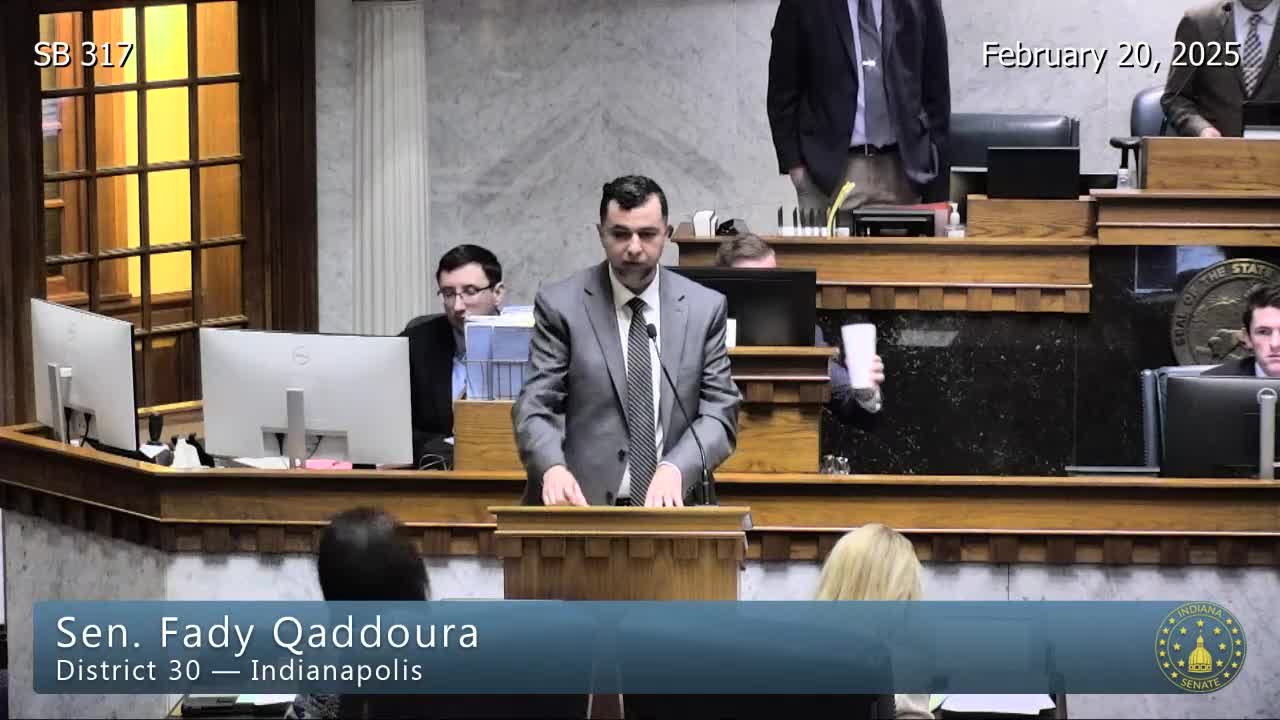
Senate Bill 3 17, discussed extensively on March 3, 2025, would have required hospitals to provide clear notices to patients about charitable-assistance options, restricted wage garnishment for medical debt for households at or below 250% of the federal poverty level, and barred liens on primary residences for qualifying patients. The sponsor, Senator Gudora, said the measure attempted to protect the most vulnerable households who face catastrophic medical bills.
Key floor points
- Supporters described cases in which families lost homes or savings due to medical debt, and cited national and state audits showing very large pharmacy and medical spending that can entangle patients in significant debt. The sponsor said the goal was to prevent eviction or forced sale of a primary residence due to medical bills for low- and moderate-income families.
- Opponents — including senators representing rural and suburban districts and some fiscal conservatives — argued the bill would create perverse incentives, reduce hospitals’ ability to collect legitimate debts, and create administrative burdens and fiscal exposure for hospitals and local governments. Questions focused on how to prevent abuse, what groups would be protected, and the correct threshold for protection.
Fiscal and policy issues cited on the floor
During floor debate senators cited an audit figure presented during committee discussions: approximately $10,000,000,000 in drug spending over a five-year period (about $2,000,000,000 a year for state employee and Medicaid drug claims), with spread-pricing and other practices producing large costs to payers. Supporters argued these market conditions justified limiting downstream actions against patients in defined income bands. Opponents noted the difficulty of defining program boundaries and the need for granular fiscal modeling to avoid unintended consequences.
Outcome
The Senate voted 23–26 against final passage. Sponsors said they would continue to work on narrower approaches or target populations; opponents argued a broader, more measured policy process was required before changing garnishment and lien rules.
Attribution
Quoted positions and numerical citations in this report come from remarks on the Senate floor during the March 3 session, including Senators Gudora (sponsor), Charbonneau, Johnson, Brown, and others who participated in the debate. The clerk recorded the final vote as 23 ayes, 26 noes.