Get Full Government Meeting Transcripts, Videos, & Alerts Forever!
Get email alerts on the Housing Code Enforcement topic
No spam. Unsubscribe anytime.
City reviews dilapidation, demolition process; staff outlines timeline and funding constraints
Summary
City property-maintenance staff outlined the steps, timelines and cost-recovery procedures used when a building is declared dilapidated, including notice and appeal windows and a typical three- to six-month timeline to demolition.
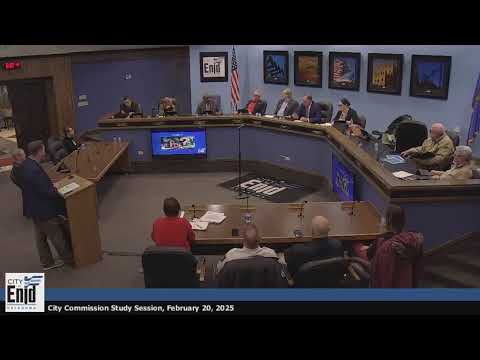
City property-maintenance staff outlined how the city handles dilapidated structures and the steps that can lead to demolition, telling the Mayor and Board of Commissioners that the process balances homeowner due process with neighborhood health and safety concerns.
The presenter said dilapidation proceedings typically begin with an initial inspection and that it takes about two weeks to prepare and send notice; property owners then receive a hearing date (the presenter said the notice provides roughly 20 days). If the code official declares a structure dilapidated, owners have a 10‑day window to appeal to the commission. If demolition proceeds, staff said a bid process takes about three weeks, a contract is signed (valid for about 30 days) and the overall timeline from case opening to demolition is commonly three to six months, barring complications.
The presenter described an expedited process for buildings that pose immediate safety hazards (for example, severe fire damage) and said the fire department provides reports and coordinates with property inspectors. Staff said they try to be tactful with homeowners, taking into account insurance and rehabilitation plans, but emphasized that when an exterior condition threatens public health, safety or neighborhood stability, the city will move forward with dilapidation steps.
On post-demolition cost recovery, staff said the code official files a notice and lien after the structure is declared dilapidated. Once the contractor’s invoice is received and the city issues a cost statement, the owner has six months to pay before the cost statement is certified with the county (which places it on tax rolls). The presenter said filing the lien early protects the city’s interest and prevents the property from being sold free of the cost claim.
Commissioners asked how frequently the city pursues demolition. The presenter said the city opened about five dilapidation cases in the last year and has done roughly 10 demolition jobs in recent periods, and estimated there may be about 20 properties citywide that could qualify as candidates for demolition or focused rehabilitation. Commissioners and staff discussed volunteer and nonprofit programs that refurbish houses, the need to target burned-out and clearly hazardous properties first, and funding options such as Community Development Block Grant (CDBG) money.
City leadership said they plan a two-pronged approach: accelerate demolition of burned-out structures while creating or restoring programs to help salvage marginal houses before they reach the dilapidated stage. Commissioners asked staff to compile a prioritized list of candidate properties and to return with potential budget implications and funding sources for demolition and rehabilitation work.
No ordinance changes were proposed at the session; staff said existing timelines and authority derive from state statutes and the city code and that they will report back if changes are needed.