Get Full Government Meeting Transcripts, Videos, & Alerts Forever!
Get email alerts on the Opioid Response topic
No spam. Unsubscribe anytime.
Rockingham County commission reports nearly $2 million earmarked for opioid response; cites jail deficiencies and rising insurance costs
Summary
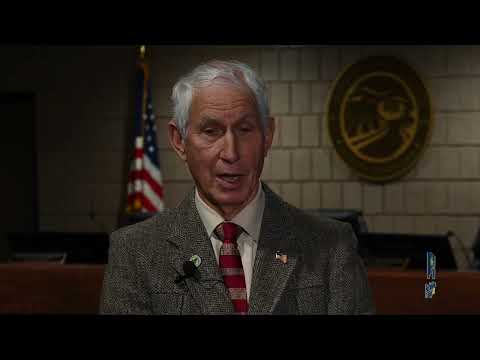
Chair Kevin Berger said the board has earmarked roughly $2 million over multiple years for opioid programs, described recent state reports finding physical and operational problems at the county jail, and warned of rising insurance costs tied to those issues.
Rockingham County Board of Commissioners Chair Kevin Berger said the board has earmarked roughly $2 million over a multiyear period for opioid response programs and flagged recent state inspection reports that found physical and operational problems at the county jail.
Berger said the board “have earmarked an additional close to half million dollars” to start another program and that the total set aside is “close to $2,000,000 over that time frame.” He described the opioid work as “a complicated process” involving both treatment programs and law enforcement efforts.
The chair tied jail conditions to the county’s insurance costs, saying, “Insurance premiums, just in dealing with the sheriff's department increased almost $200,000 last year,” and warned those costs are borne by taxpayers: “those premiums are paid for out of your pockets.” Berger said state inspectors gave “bad reports on their last two visits” and that the problems cited are mostly physical but also include operational issues in how the county manages its inmate population.
Berger told listeners the sheriff’s office attended a recent meeting and “indicated he was aware of these problems and was taking a personal interest in getting them corrected and gonna report back to us on that,” signaling follow-up rather than a completed remedy. He also said the board is trying to ensure that “any contract we enter, including those that are initiated through the sheriff's department, are done in a proper manner not questionable in a legal sense.”
On enforcement and treatment, Berger said combining programs and cooperation among police departments should improve outcomes: “The more that can be executed, both in terms of programs available for the addict and the more that we can have as far as drug enforcement, amongst all of our police departments, then, the better results we'll end up having in getting drugs out of this county.”
Berger invited the public to the next county commission meeting in March at the commissioners’ chambers in Wentworth at 6:30 p.m.; he said the meeting will also be available online.