Get Full Government Meeting Transcripts, Videos, & Alerts Forever!
Get email alerts on the Child Welfare Budget topic
No spam. Unsubscribe anytime.
Health and Welfare seeks staff and $14.1M supplemental to curb reliance on costly congregate care
Summary
Department of Health and Welfare leaders told the Joint Finance and Appropriations Committee the 2026 budget seeks new prevention and foster-care staff, supplemental funding and flexibility to move personnel dollars, aiming to reduce placements in expensive congregate-care settings.
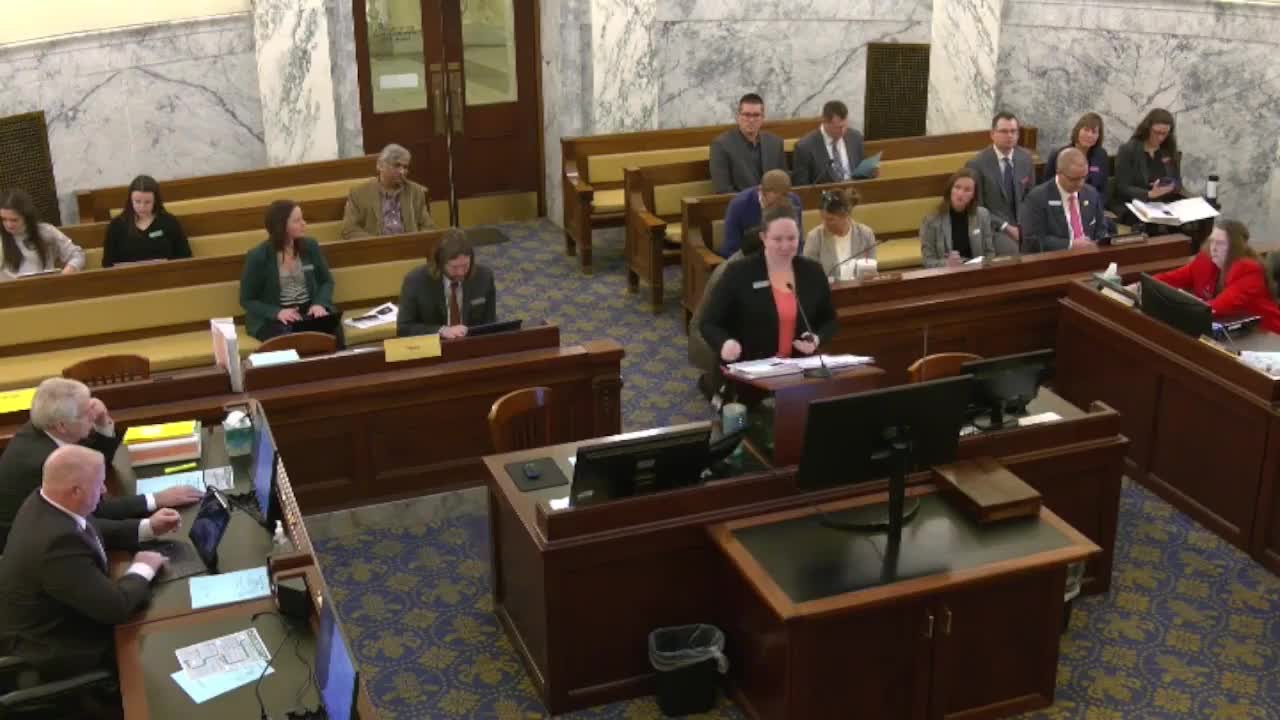
The Department of Health and Welfare asked the Joint Finance and Appropriations Committee on Feb. 20 for new staff and supplemental funding aimed at keeping more children safely in their homes and reducing expensive congregate-care placements.
Alex Williamson, budget and policy analyst with Legislative Services, walked the committee through the department’s reorganization and the child-welfare budget, telling members the division now called Youth Safety and Permanency (formerly Child Welfare) is responsible for child protection, foster care and adoptions. Williamson said the division has 434.8 authorized full-time positions and reported 45.8 vacancies as of Feb. 10, with about 25 of those in the interview process and nine posted.
The request before the committee includes a $14.1 million supplemental tied to foster-care population forecast adjustments for the 2025 fiscal year. Williamson said much of the recent increase in costs was driven by rising congregate-care rates and higher clinical needs among youth.
Director Alex Adams told the committee the budget package is designed to put "the right kid in the right place at the right time" by expanding prevention services and recruiting foster families. Adams described the cost differences the department faces: "If I keep a kid in their home, in a prevention case, it's $1.80 a day. If a child is removed and placed in foster care, it's about $16 a day. If I don't have a foster bed available, congregate care is about $380 a day." Adams said shortages of foster parents and community-based placement options have pushed more children into higher-cost congregate settings.
To address that, the department requested 36 new prevention specialist FTE to expand a team that brokers and delivers services intended to prevent removals. Williamson said the state currently has 14 prevention specialists statewide; adding 36 would bring the total to 50. The department also sought additional clinical and placement staff: requests included 12 youth-safety staff (the governor recommended nine), 15 foster-program clinical staff (governor recommended 10), and 14 licensing staff to speed foster-parent approvals (governor recommended three). The agency asked for case-management support to reduce average caseloads from about 32 youth per worker to 26.
Deputy Director Monte Pro described day-to-day prevention work as more intensive than standard case management: "A standard case manager will go into a foster family home roughly every 30 days. That looks like once a week for our prevention workers," Pro said. He explained prevention workers perform assessments, develop court-reviewed treatment plans and broker or provide services — for example counseling or substance-use treatment — with the stated goal of shortening involvement to ultimately close cases through the court.
Committee members asked about the department’s ability to hire the requested positions. Adams said the agency’s child-welfare vacancy rate is about 10.5% and that many positions are in recruitment; he said he is confident the roles can be filled and that lowering caseloads should reduce turnover.
The department also asked the committee to exempt Youth Safety and Permanency from transfer limitations imposed in last year’s maintenance bill, citing Idaho Code 67-35-11 as the statutory framework they want to follow for transfers between expense classes. Williamson explained the maintenance bill restricted transfers of personnel dollars and trustee and benefit payments; the requested exemption would allow the division to move funds in accordance with 67-35-11.
A separate but related request involved the Payette Assessment and Care Center. The department had earlier sought authority to purchase the facility but, after review with the governor’s office, recommended pausing the purchase and instead leasing and operating the center while assessing long-term suitability. Adams said state funds were used to make safety and security improvements to the leased facility and that community partners also contributed equipment. The updated operating request for the Payette center is $2.7 million ongoing while the department continues to use the facility under lease arrangements.
Lawmakers pressed the department on past supplemental trends and budget predictability. Representative Furness and others noted supplementals have been required repeatedly in recent years; Adams replied the department’s goal is that front-loaded investments in prevention and foster recruitment will produce a return on investment that stabilizes future budgets and avoids recurring supplementals.
Discussion that affected the committee’s review included: the department’s statement that foster and assistance payments comprised roughly 60% of child-welfare expenditures in fiscal 2024, a reported $117.8 million in child-welfare spending that year, and ongoing drivers including rising youth mental-health needs and shortages of foster parents able to support children with complex needs.
The committee did not take a formal vote on any of the requests during the hearing. Staff and legislators indicated follow-up questions and additional materials would be supplied to committee members after the presentation.
Ending: Department leaders said they will continue recruiting foster families — including through faith-based outreach and reciprocity agreements for foster families moving from other states — and plan to return with requested budget language and data as the committee considers the appropriation and any supplemental action.