Get Full Government Meeting Transcripts, Videos, & Alerts Forever!
Get email alerts on the School Sponsored Trips topic
No spam. Unsubscribe anytime.
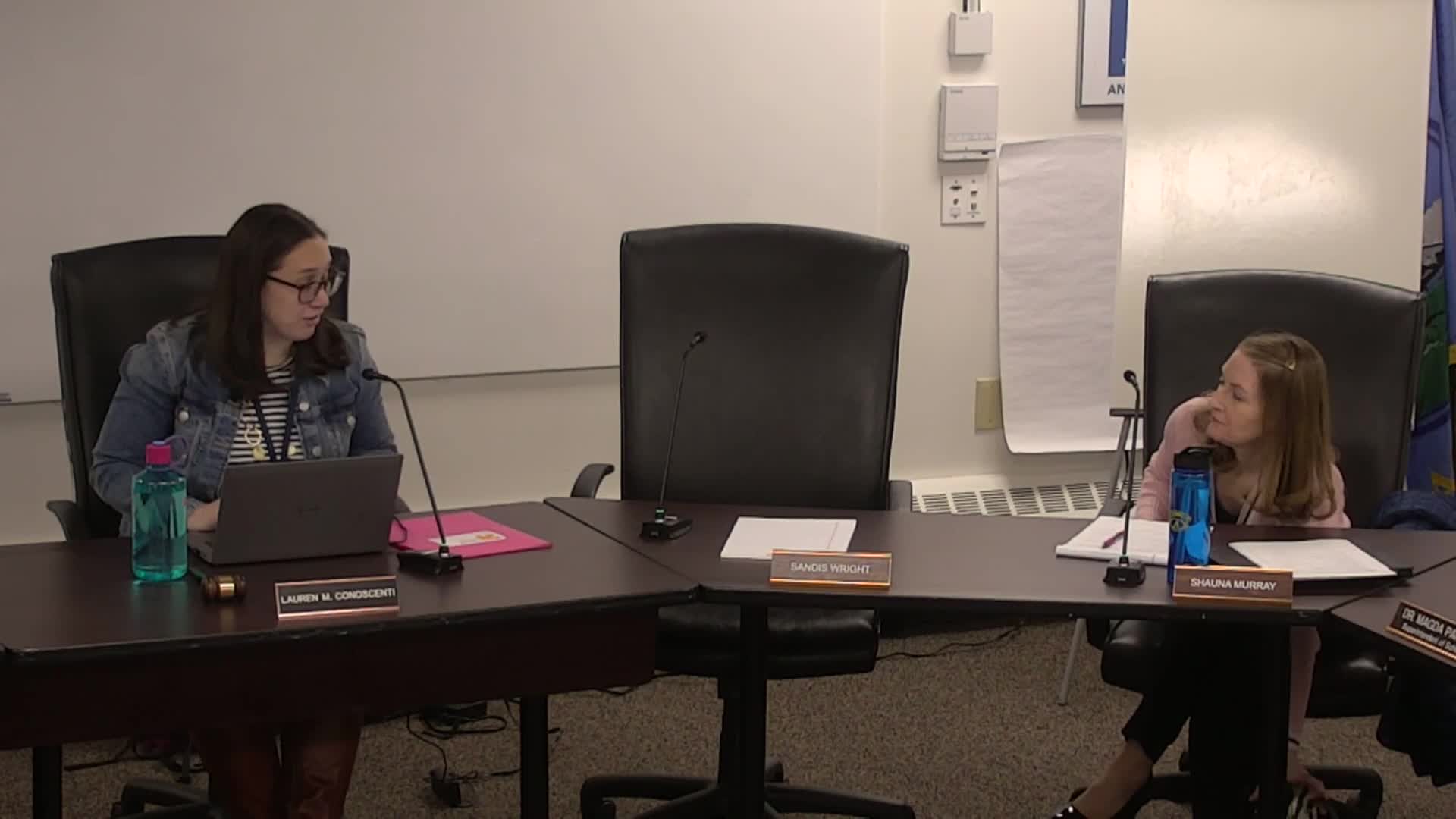
Andover committee discusses costs, coordination and equity of school-sponsored trips
Summary
At a Jan. 9 workshop the Andover School Committee and teachers who run student trips discussed timelines, vendor relationships, cost barriers, fundraising and possible process changes to make domestic and international travel more accessible.
The Andover School Committee held a workshop on Jan. 9 to discuss school-sponsored student travel, focusing on how trips are planned, rising costs, financial aid and ways to coordinate approvals and fundraising.
School Committee member Sandis said the conversation grew out of concerns about cost and accessibility: “For as long as I've been a parent in Andover, which is now 11 years, the committee has supported extracurricular travel opportunities to destinations around the globe,” she said, noting the district’s interest in preserving voluntary international and domestic travel while addressing equity concerns.
Trip leaders and teachers described a planning timeline that typically begins well in advance. Brian Shea, a teacher who leads trips, told the committee he generally starts planning about a year and a half to two years before departure, getting quotes and building an approval packet so families can spread payments over many months. "My goal then is to have it approved before Halloween so I can have the first parent meeting before Thanksgiving," Shea said. He added that earlier approval helps families keep monthly payments smaller.
Speakers described a range of trip models and vendors. Several trip leaders said they use EF Educational Tours; one teacher who leads trips said vendors such as EF have been helpful during emergencies and that vendors can tailor itineraries and, sometimes, prices. Other vendors mentioned by participants included Putney Student Travel and Rustic Pathways.
Committee members and teachers described cost trends and equity pressures. A member who reviewed neighboring districts’ programs reported that pre-COVID trip prices of roughly $3,000 have in many cases risen to $5,000–$6,000 for similar itineraries. Several participants pointed to the disproportionate burden on families who cannot spread payments or who cannot rely on outside help; one committee member noted a typical payment plan can be about $200 per month for multi‑year planning.
Participants proposed several non-legislative steps to reduce barriers and improve coordination: a fall/spring schedule for submitting trip proposals to the committee; a single annual or biannual “travel night” where all trip options and prices are presented to families; a template application to reduce duplicate paperwork; improved school-level administrative support to assemble approval packets; and a booster-style fundraising group to centralize and coordinate grants and donations that could underwrite student financial aid. The committee said it will work with high school staff to pilot some of these steps.
Speakers also raised other equity and logistics issues that affect trip costs and planning: how to accommodate students who need a one-to-one aide, rooming needs for students with diverse gender expressions, the effect of bus and smaller-group pricing, and the first‑come/first‑served nature of signups when demand exceeds seat availability. Teachers noted some trips are tied to curricular or competition schedules (which can constrain planning), while others are optional enrichment travel.
Several trip leaders described post-trip practices that build program value: student reflections, blog updates that parents and the school community can follow, in-person presentations to the school or committee, and other informal follow-up that can amplify educational impact.
No policy or new rule was adopted at the meeting. The only formal vote recorded in the transcript was a procedural motion to adjourn the workshop, which passed 5–0.
The committee and school staff agreed to continue work on timeline coordination, a standardized packet/template for trip approvals, outreach to potential teacher sponsors, and exploring a centralized fundraising model to support student financial aid for travel.