Get Full Government Meeting Transcripts, Videos, & Alerts Forever!
Get email alerts on the Public Health Community Health Assessment topic
No spam. Unsubscribe anytime.
Blue Ridge Health District presents Map to Health findings; Fifeville highlighted as priority area
Summary
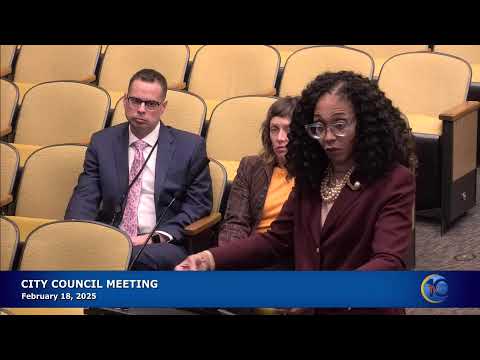
Ryan McKay, director of the Blue Ridge Health District, and Jen Fleisher, the district’s community health improvement program officer, briefed the Charlottesville City Council at a work session on the district’s current community health assessment and improvement planning process, known locally as Map to Health.
Ryan McKay, director of the Blue Ridge Health District, and Jen Fleisher, the district’s community health improvement program officer, briefed the Charlottesville City Council at a work session on the district’s current community health assessment and improvement planning process, known locally as Map to Health.
The presentation summarized an 18-month assessment that collected 267 in-person interviews, about 640 online survey responses and input from roughly 85 agencies. Fleisher said the process uses a “mobilizing for action through planning and partnerships” model and that “we call it locally a CHA, a community health assessment,” a requirement nonprofit hospitals complete to maintain IRS tax-exempt status.
The nut graf: the assessment identified priorities the steering committee is now refining; the district will publish the report in September and support implementation grants that begin in 2026 so community partners can carry out locally targeted interventions.
McKay said the Map to Health process has run in the Blue Ridge district since 2009 and has been used to identify upstream programs and staff positions — for example, a tobacco cessation specialist, a maternal-child health coordinator and a safe-sleep crib distribution program — that were later funded and implemented with partners. Fleisher said the district partnered with Sentara Martha Jefferson Hospital and UVA Health and expanded community engagement for the current cycle, convening a 15-organization steering committee representing housing, providers, food access and other sectors.
The assessment team reported that one Charlottesville census tract — the Fifeville neighborhood — ranked high on the area deprivation index (about the 71st national percentile on the ADI measures cited) and was selected for more granular attention. Fleisher said UVA Health has already led community engagement in that tract and the Map to Health process will rely on UVA’s findings there to avoid duplicative outreach.
On findings and priorities, Fleisher said the most-cited health problems were diabetes and high blood pressure, followed by mental health and weight-related conditions. The main obstacles respondents reported were cost, transportation and inability to get appointments; the single largest immediate support people asked for was money. Fleisher summarized the draft priorities the steering committee is weighing as chronic conditions, health-care access and social drivers of health, and said the approach will use “targeted universalism” to focus first on populations experiencing the greatest inequities.
On funding and partners, Fleisher and McKay said Sentara provided foundation grants to support facilitation, UVA Health provided staff time and printing support, and the Virginia Department of Health and Blue Ridge Health District used population-health grant funds for activities such as a randomized door-to-door survey in Nelson County. McKay and Fleisher said the district will pursue implementation grants for community partners once the CHA and improvement plan are finalized.
Council members asked about data, funding sources and next steps. Fleisher said the steering committee is finalizing priorities now and that the full report will be available in September; implementation is expected to begin in 2026, and the district intends to create an online CHIP dashboard so community members can track partner progress and the district can return to a sample of interviewees to gauge whether services improved access.
The presentation also noted several targeted engagement activities: four focus groups (including older adults with disabilities, an LGBTQ group, Spanish speakers through the Latino Health Initiative and a reentry-focused group run with the Fountain Fund), a photovoice project with UVA Health, and multiple walkability audits and transportation-focused collaborations with TJPDC and regional transit partners. Fleisher said the Map to Health process has expanded to include transportation stakeholders because transit, sidewalks and bike-ped infrastructure affect health access.
Why it matters: City officials can use the CHA’s priorities and the district’s planned implementation grants to align city grant-making, capital projects (for example, bike/ped and transit investments) and community-based service delivery with the needs the assessment surfaced.
Questions and follow-up: Fleisher asked the council to remain engaged during the implementation phase, especially on transportation and bike-ped projects where local policy and city grant decisions can amplify CHA objectives.
Ending: The district will publish the CHA report in September and expects implementation grants and projects to begin in 2026; a CHIP dashboard is planned to allow the community to track progress and to permit follow-up contact with interview respondents who agreed to be rechecked for outcomes.