Get Full Government Meeting Transcripts, Videos, & Alerts Forever!
Get email alerts on the School Finance topic
No spam. Unsubscribe anytime.
Auditors give Bossier Parish School Board clean opinion but flag two control findings; general fund strong, benefits and child nutrition show stress
Summary
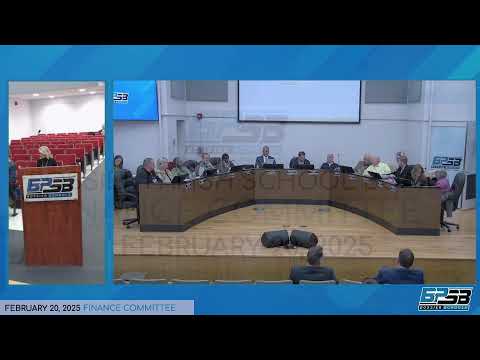
External auditors presented the Bossier Parish School Board with a clean (unmodified) opinion on the 2023–24 financial statements but reported two findings tied mainly to a recent enterprise resource planning (ERP) conversion and federal program record-keeping.
External auditors presented the Bossier Parish School Board with a clean (unmodified) opinion on the 2023–24 financial statements but reported two findings tied mainly to a recent enterprise resource planning (ERP) conversion and federal program record-keeping.
The audit presentation to the finance committee showed the district’s government-wide full-accrual net position was a negative $567 million because of long-term liabilities, including a reported other post-employment benefits (OPEB) liability of about $616 million and a net pension liability of about $257 million. Those long-term liabilities do not affect day-to-day cash operations, the auditor said; the general fund carried a fund balance of about $136 million (roughly $62 million unrestricted), representing about 23% of annual expenses.
Why it matters: The unmodified opinion indicates the financial statements are fairly presented, but the findings and large long-term liabilities are material context for board oversight, budgeting and long-term planning.
Audit findings and auditor comment
Amy, the lead auditor, told the committee she issued an unmodified opinion on both the financial statements and federal compliance but recorded two findings. Finding 2024.001 related to internal controls and financial management; auditors traced the root causes to timing and errors during implementation of the district’s new ERP system and some turnover in accounting staff. "We did issue an unmodified opinion," Amy said, adding the ERP conversion contributed to delays in bank reconciliations and limited budget-to-actual reporting capabilities.
Finding 2024.002 related to federal program internal control for Title I, chiefly untimely time certifications and payroll documentation for staff paid from federal funds. The auditor said management has implemented corrective steps and expects the items to be cleared in the next audit cycle.
Board and staff responses
Superintendent Mr. Roland and finance staff presented remedial steps. Ms. Bamberg told the board bank reconciliations should be current by the next monthly meeting and that monthly budget-to-actual reporting will begin immediately, with the first regular report provided that night. "By next month, I should be able to tell you we are completely up to date," Bamberg said about reconciliations.
Staff also said capital-asset recording issues stemmed from turnover during the conversion and have been remediated, and an incorrect journal entry affecting the Bossier Education Excellence Fund (BEF) budget was corrected before year-end.
Key fund results, revenues and program notes
- General fund: Year-to-date revenue reported at about $300 million and expenditures about $271 million; the general fund increased by roughly $27.2 million after transfers. Ad valorem (property) tax receipts were about $6 million higher than the prior year; state and local revenues increased by about $10 million, including roughly $3 million for flood control and about $6 million in a one-time stipend for certified staff.
- Bossier Education Excellence Fund (BEF): Reported fund balance of about $69 million, with roughly $2.5 million in cumulative interest available for instructional uses.
- ESSER/stabilization: The ESSER-related stabilization fund showed a timing-related deficit of about $1 million that staff said will clear in fiscal 2025 once state reimbursements complete.
- Child Nutrition: The child nutrition program showed a prior-year loss of about $1.6 million and had a remaining deficit at year-end. As of the November financials, Child Nutrition showed a $300,000 year-to-date profit but staff said that level would not fully erase the past deficit without continued improvement; management did not request a board backfill this year.
- Internal service (benefits) fund: The district reported a large deficit in its health insurance/internal service fund. The auditors and staff reported a fiscal-year 2024 adverse result (about $7.8 million loss in the fiscal year) that left a cumulative deficit around $114.3 million. Staff said premium increases were implemented in recent years (9% two years ago, 5% in the prior year) but claims outpaced premium revenue.
Staff identified two years of withheld prescription rebates from Express Scripts (about $2.8 million per year); the first rebate check (about $2.8 million) arrived in December 2024, and staff expects the second check imminently. District leaders said those rebates will help the current-year position but do not alone solve the structural gap; an advisory committee on benefits is scheduled to meet March 4 to develop longer-term options.
Other items
- Debt service and capital: Debt service funds posted increases in fund balance (unified tax fund +$2.6 million; QSCB sinking fund +$545,000). The 2012 bond construction fund retained about $10.6 million as of June 30, 2024 (activity after that date is not reflected in the report).
- Federal dollars and testing: The single-audit summary showed the district received about $51.4 million in federal funds for the year. Auditors tested ESSER and Title I; federal compliance opinions were unmodified despite the Title I internal control finding.
What the board directed or will do next
Board members and staff agreed to regularize monthly budget-to-actual reporting as a standing agenda item and to continue monitoring the child nutrition and benefits funds. Staff will provide updated reconciliations at the next meeting and convene the benefits advisory committee to recommend solutions.
Ending note
Committee members thanked auditors and staff for the audit work and for steps already taken to address the findings. Staff said they expect both audit findings to be cleared in the coming year once the ERP system is fully implemented and the corrected controls operate through a complete reporting cycle.