Get Full Government Meeting Transcripts, Videos, & Alerts Forever!
Get email alerts on the Literacy Tutoring topic
No spam. Unsubscribe anytime.
Committee advances SB 206 to raise per-student tutoring grant cap under LEARNS Act
Summary
SB 206 would raise the per-student cap on LEARNS Act literacy tutoring grants from $500 to $1,500; sponsor says the change does not increase state spending and aims to boost participation among eligible students.
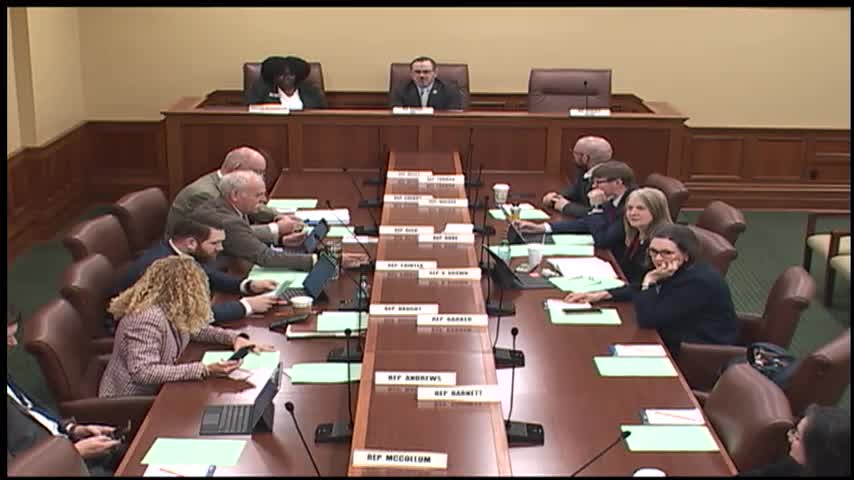
The House Education Committee advanced SB 206, a bill that would raise the per-student cap on literacy tutoring grants authorized under the LEARNS Act from $500 to $1,500 without adding new appropriations, the bill’s sponsor said.
Senator Rebecca Burkes, presenting SB 206 to the committee, said the bill removes past dates from statute and focuses on adjusting the grant cap for literacy tutoring targeted at students in kindergarten through third grade who are identified as at-risk readers. “This grant had a cap of $500. All we’re doing in this bill is increasing that cap to $1,500. We’re not appropriating any more money and the fiscal impact is 0,” Burkes said.
Jacob Oliva of the Arkansas Department of Education explained how the state supports two tutoring approaches: district-run high-impact tutoring delivered through preapproved vendors, and a parent-directed account model in which families may draw funds for tutoring they select. Oliva said roughly 30,000 students were identified as eligible for the tutoring grants and about 5,300 applied under the initial program; the bill’s sponsor said raising the cap is intended to encourage more families to apply.
Committee members asked how tutors and curricula are selected. Oliva said the LEARNS Act and agency rules provide a preapproved list of vendors and that providers typically conduct diagnostic screenings and tailor curriculum to identified gaps. He confirmed a digital tutoring option exists and said school facilities or equipment could be used if families lack at-home technology.
Representative McGruder asked whether tutoring could be delivered online or must be in person; Oliva said both in-person and digital options are available. Representative Beck raised concerns about students who lack home internet or devices; Oliva said families could arrange tutoring at school when necessary.
Burkes closed the presentation and the committee placed a “do pass” motion on the table for SB 206. The transcript records committee discussion and that a do-pass motion was made; it does not record a roll-call tally in the hearing transcript provided to the committee clerk.
The bill seeks to change the maximum per-student reimbursement available under existing LEARNS Act rules; it does not appropriate additional funds. The committee did not record public testimony for or against SB 206 during this hearing.