Get Full Government Meeting Transcripts, Videos, & Alerts Forever!
Get email alerts on the Property Taxes Assessments topic
No spam. Unsubscribe anytime.
Alexandria 2025 real property assessments show modest 2.57% tax base increase driven by residential gains
Summary
City staff presented the city's 2025 real property assessment report, saying total taxable assessments rose 2.57% year over year, largely because of residential appreciation. Staff outlined appeal deadlines and explained commercial declines tied to investor financing and apartment market pressures.
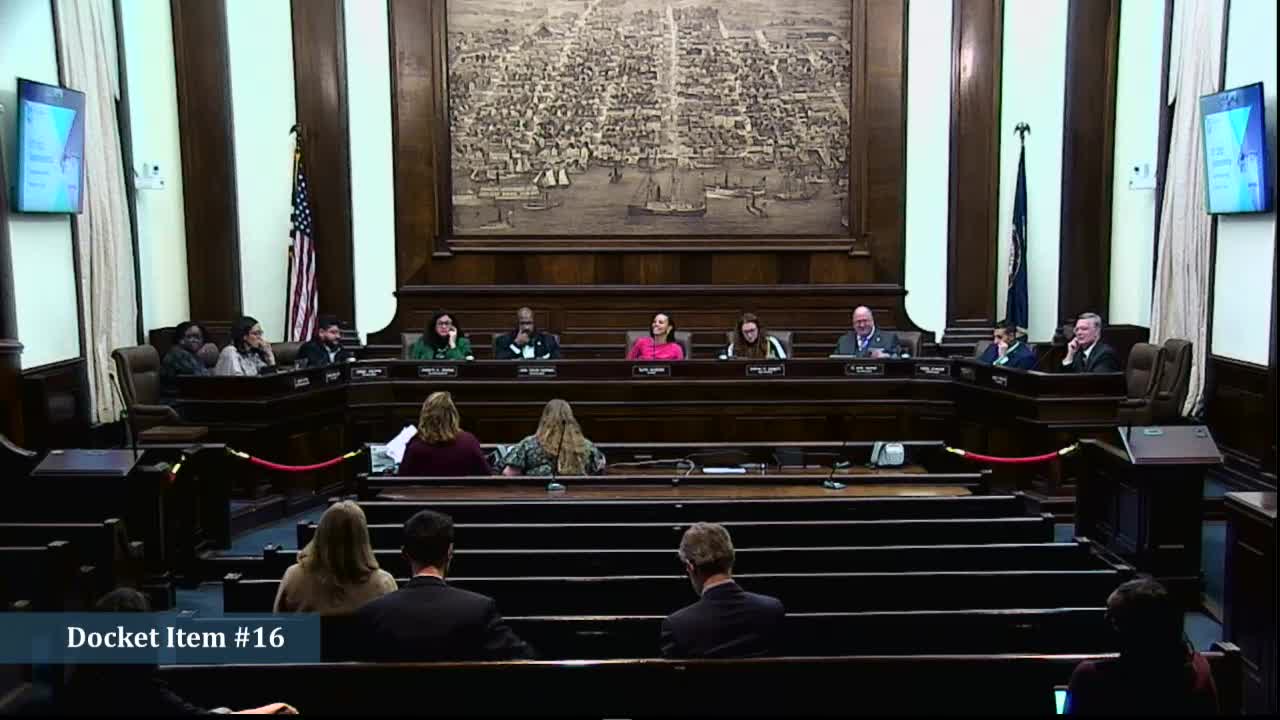
The Alexandria Office of Real Estate Assessments reported that the city's total taxable assessments increased 2.57% for tax year 2025, driven chiefly by residential appreciation, staff told the Alexandria City Council during its February legislative meeting.
"Not to bury the lead, which is that the total taxable assessments increased the tax base by 2.57% from 2024," said Ann Win Mills, appraiser supervisor in the Office of Real Estate Assessments, as she summarized the office's findings. Residential values rose 4.55%, while the commercial tax base fell $156 million, the presentation said.
Why it matters: Assessment totals determine the property tax base that funds city services and capital projects. Council members asked about which property classes changed and what owners should do if they disagree with their notice.
What staff said: Mills and other assessment staff walked through drivers of the change. The residential tax base added about $1.4 billion in value, with condominium assessments up 6.04% and single-family values up about 4.1%. New construction added roughly $363.9 million to the base; multifamily rental properties showed another $188 million in new construction value but an overall decline in multifamily market value compared with prior years.
Mills explained the apartment declines reflected investor market conditions, not a simple change in rents: "Rental rates are... only one component of that apartment valuation," she said. She cited higher financing costs and investor risk calculations as key reasons buyers are paying less for apartment properties despite local rent pressures.
Commercial outlook and projects: Staff said office values continue a multi-year decline (office values down about 10.28% year over year), while hotel values improved this cycle. They noted several large projects that contributed to new growth in 2025, including completed multifamily buildings in Potomac Yard and projects at Landmark and Eisenhower areas still under construction.
Appeals and next steps: Property owners who want to contest their assessment have two stages: a review (form and documentation due by March 17) and, if needed, an appeal to the independent Board of Equalization (appeal paperwork generally due June 2 this year because June 1 falls on a Sunday). Mills said staff will help taxpayers with forms and that the office phone line and property search site provide property-specific detail.
Council questions focused on medians versus averages, neighborhood differences, and whether non-locally assessed properties (railroads, utilities) are examined; staff said those properties are assessed by state bodies but that local assessments inform that work. Council also asked about the state's new tax-relief provisions; staff said the April 15 filing deadline for elderly and disabled tax relief remains the working date but that staff will work with eligible residents beyond that date as needed.
Ending: Council voted to receive the report for 2025 assessments during the meeting. Staff urged property owners with questions to start with the Office of Real Estate Assessments and provided review and appeal deadlines on the city website.