Get Full Government Meeting Transcripts, Videos, & Alerts Forever!
Get email alerts on the Grants And Funding topic
No spam. Unsubscribe anytime.
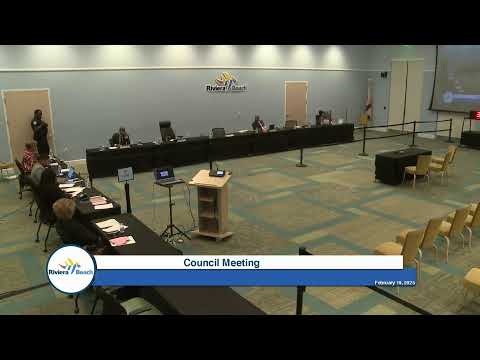
Council reviews $100,000 community micro‑grants proposal; questions raised about insurance and review committee
Summary
City staff proposed a community grant program with $100,000 in micro‑grants (up to $5,000 each) to support neighborhood groups; council members supported the program but asked staff to reduce insurance burdens, set accountability measures and appoint a review committee.
Riviera Beach — Staff presented a proposed community grant program designed to distribute $100,000 annually in micro‑grants to neighborhood groups, nonprofits and informal resident organizations. Grants would be available in tiers — up to $500, $1,000, $3,000 and $5,000 — and would fund projects that demonstrate a clear public benefit and low maintenance obligations.
Assistant to the city manager Valerie Grimsley said the grant program would accept applications twice a year (April 1 and October 1 cycles) and require organizations to show need, demonstrate neighborhood support and provide any necessary permits. Staff proposed allowing match contributions in volunteer time or in‑kind goods; ineligible requests would be programs already provided free by Palm Beach County.
Council discussion focused on two practical elements: accountability and insurance. Councilmembers said they support rolling the program out quickly but did not want the city to give funds with no follow‑up. Members asked that staff form a review committee to evaluate applications and return the results to council as a consent item. Councilmember Lawson suggested giving the city risk manager discretion on insurance requirements to avoid burdening micro‑grant recipients with costly policies.
Why it matters: Council members said the program addresses frequent requests from local nonprofits and community groups. Several members suggested the initial $100,000 could be treated as an introductory allocation, with the option to increase funding in future budgets depending on demand and outcomes.
Next steps: Staff said it will draft application materials, an online portal, guidance documents for applicants, and a scoring/review process; the city’s risk manager will work with staff on proportionate insurance requirements. Council asked staff to return with a finalized program and suggested committee membership for review and oversight.