Get Full Government Meeting Transcripts, Videos, & Alerts Forever!
Get email alerts on the Charter Proposal topic
No spam. Unsubscribe anytime.
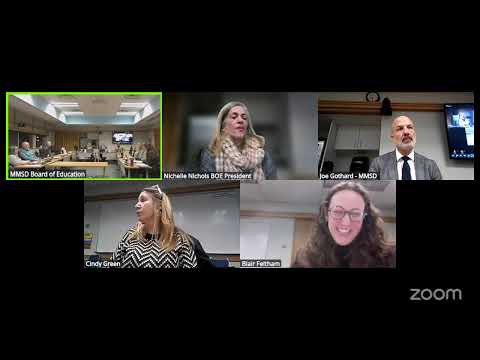
Board reviews Forward Career and College Academy charter proposal; members flag gaps on budget, enrollment and overlap with district CTE
Summary
The Madison Metropolitan School District board reviewed the Forward Career and College Academy charter application and related CTE materials; board members raised concerns about the proposal—s missing budget, unclear enrollment and possible overlap with district programs.
The Madison Metropolitan School District board reviewed the Forward Career and College Academy charter application at a policy workshop on Feb. 20, 2025, receiving a recap of the application, written feedback from district staff and a CTE (career and technical education) overview prepared by the district. No vote was taken; the board will consider formal action at its Feb. 24 regular meeting.
Administration said it followed the district—s standard charter-review process: a multi-person review committee scored the application, staff provided written feedback dated Feb. 13, and the applicant supplied responses. District staff also said they attempted to correct an erroneous state data point the applicants cited and provided a district CTE summary so board members could compare existing programs with the proposal.
Board members repeatedly raised the same three concerns: (1) the application lacked a clear budget and staffing plan; (2) the proposed school—s enrollment size, student recruitment and physical location were not specified enough to assess fiscal impact; and (3) parts of the proposal appeared to replicate career and technical education already offered in district high schools.
"I was really disappointed by the final proposal," Board Member Muldrow said, citing missing details about school size, student origin and location that are crucial for assessing financial and operational impacts. Several board members warned that launching a new high school program is resource-intensive and that small or 2 x charters have in other places struggled to sustain comprehensive secondary programming.
Administrators responded that the district has expanded CTE in recent years and provided examples of industry credentials and programs currently offered across the district, including ASE (automotive), CNA (nursing assistant), Project Lead The Way (engineering/biotech), ServSafe (culinary), phlebotomy and construction credentials, and youth-apprenticeship placements. Cindy, a district staff member involved in CTE, said the district is serving students with a growing number of opportunities and is working to improve state reporting where historical data were inaccurate. The district reported about 60 students currently in youth-apprenticeship placements, a number that has roughly doubled in recent years.
Public comment submitted earlier showed community support for the proposed school; several speakers at prior public meetings emphasized access to workplace training and internships. Board members acknowledged the need for more work‑based pathways while cautioning that the district already operates a broad set of CTE offerings and partnerships and that adding a separate charter without clear enrollment and financial details could create budget and equity concerns.
Why it matters: if approved as an instrumentality or a 2 x charter, the Forward Career and College Academy would affect where district students enroll and how state revenue counts are applied. Staff explained that new students already enrolled in the district do not generate new revenue in the first year under state revenue-limit rules; open‑enrollment students generate different amounts. That uncertainty makes a complete budget model, a clear plan for where students will come from and a staffing plan essential to estimating district fiscal impacts.
Next steps: the board will deliberate and may vote on the application at its Feb. 24 regular meeting. Several board members asked administration to prepare more detailed financial projections tied to possible enrollment and location scenarios before that vote.