Get Full Government Meeting Transcripts, Videos, & Alerts Forever!
Get email alerts on the Ilp Housekeeping topic
No spam. Unsubscribe anytime.
Committee reviews housekeeping bill easing ILP fees and background checks
Summary
Senate Bill 944 would remove a requirement that youth in some independent living facilities pay for housing from their own funds and authorize ODHS to exempt certain placements from criminal records checks; sponsors described the measure as housekeeping and said the department will submit written testimony explaining the need.
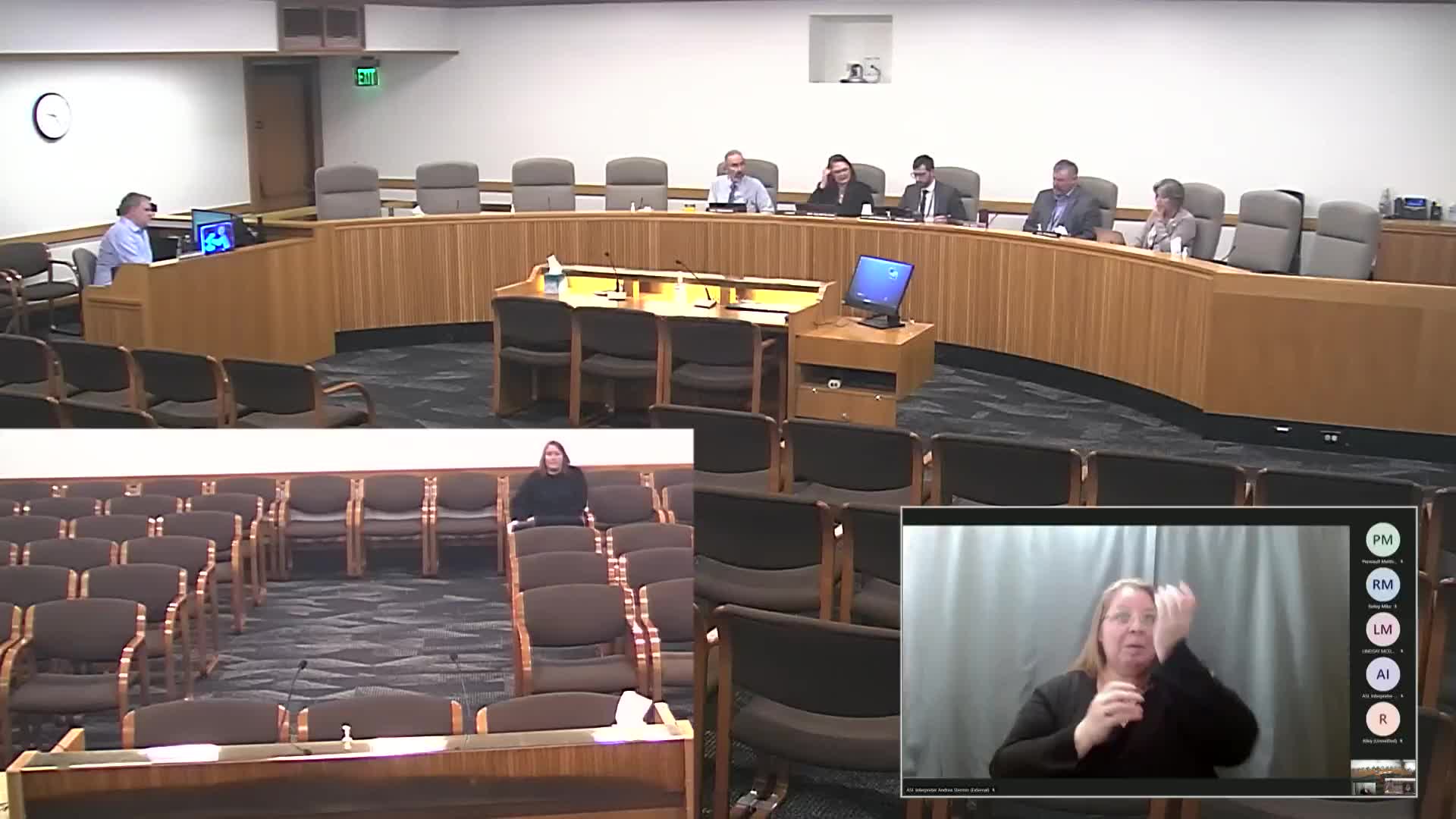
The Senate Committee on Human Services heard public testimony and committee discussion on Senate Bill 944 on Feb. 20. The bill contains two provisions: it removes a requirement that youth residing in certain independent living facilities pay some or all housing expenses from their own funds, and it authorizes the Department of Human Services to exempt an individual who was placed in a home before turning 18 from a criminal records check conducted before a later foster placement in that home.
Committee members described the bill as largely a corrective or housekeeping measure intended to resolve statutory language that creates unintended requirements or administrative duplication. Committee staff said the department will file written testimony explaining the practical reasons the changes are needed, including how the federal background‑check regime interacts with state placement requirements.
Senators raised questions about the draft language. One question flagged by provider groups was whether the phrase “any other person in the home” in the background‑check provision could be read to require background checks of casual visitors over 18; the committee asked the department to clarify in written testimony whether the statutory change was intended to target household members rather than transient visitors.
Chair Gelser and other members said they will invite the department to provide written briefing and possibly appear for an explanation of current practice and how the statutory change would align state law with federal requirements and implementation realities.
No committee vote was taken at the hearing. The bill was described as low‑controversy but the committee requested agency documentation to resolve form‑and‑style questions before moving the measure.