Get Full Government Meeting Transcripts, Videos, & Alerts Forever!
Get email alerts on the Insurance Regulation topic
No spam. Unsubscribe anytime.
State insurance regulator seeks new NAIC-aligned solvency tools; insurers support confidentiality amendment
Summary
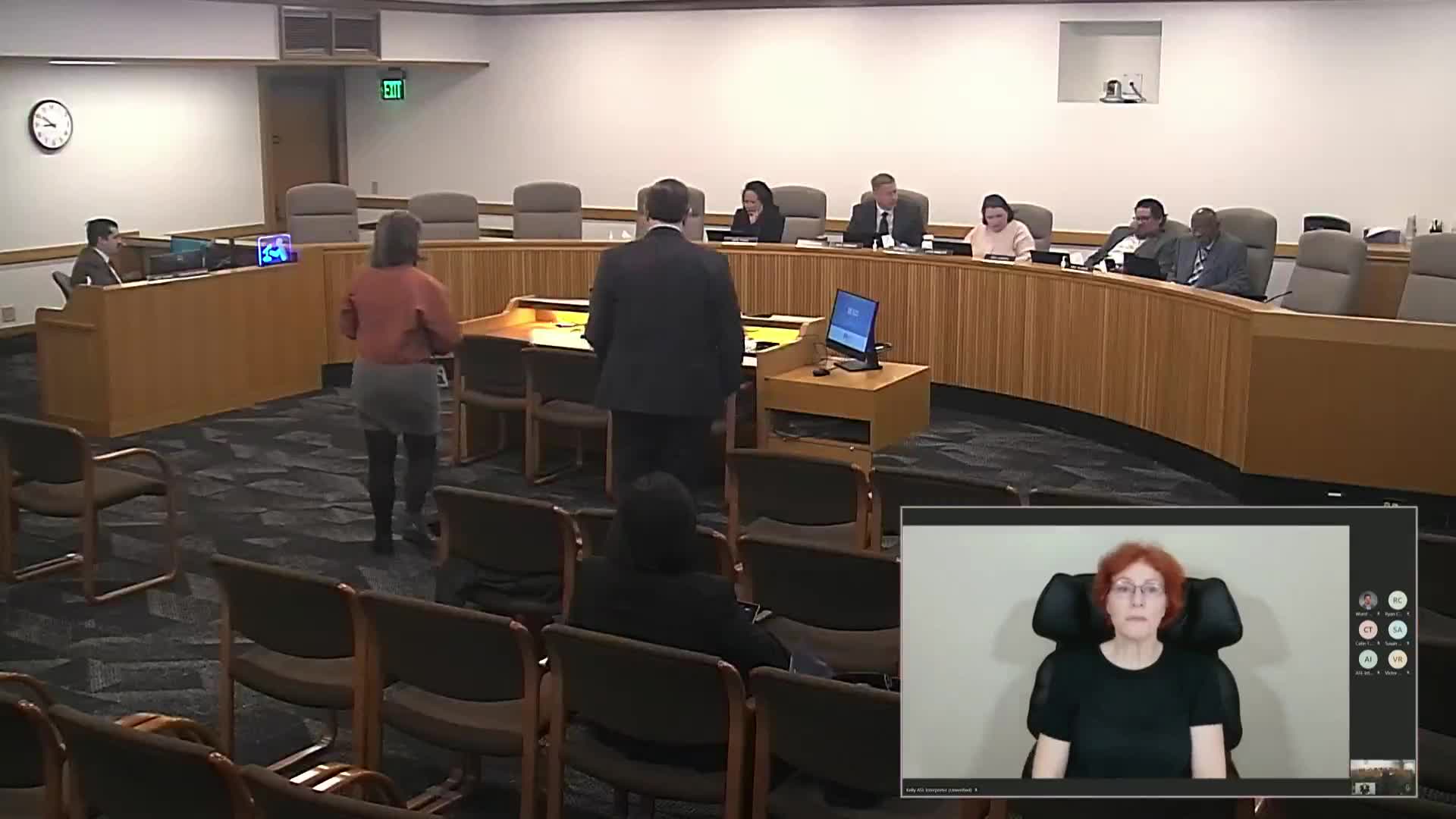
The Division of Financial Regulation asked the Senate Labor and Business Committee Feb. 20 to approve Senate Bill 831 so Oregon can adopt updated NAIC standards for group capital calculation and liquidity stress testing to maintain NAIC accreditation.
Senate Bill 831, carried by the Department of Consumer and Business Services’ Division of Financial Regulation, would adopt updated NAIC standards to preserve Oregon’s NAIC accreditation by adding two group‑supervision tools: a group capital calculation and a liquidity stress test. The committee held a public hearing Feb. 20.
Division administrator TK Keen and senior policy advisor Lily Sobelik told committee members that NAIC accreditation allows states to rely on each other’s examinations and avoids duplicative exams of Oregon-domiciled insurers. The bill implements NAIC model standards adopted after the 2008 financial crisis and would be operative Jan. 1, 2026; rulemaking before that date will also be required.
The group capital calculation helps regulators assess risks to an insurer from non‑regulated affiliates in a holding company system. The liquidity stress test focuses on potential macroprudential effects of large liquidity shocks. Lily Sobelik said 35 jurisdictions have already adopted similar standards and the bill would include a dash‑1 amendment to add confidentiality provisions inadvertently left out of the draft.
Ryan Cifo, government and regulatory affairs director for Standard Insurance Company, the state’s largest domestic insurer, said the company supports the bill provided the committee adopts the confidentiality amendment. Cifo said the division engaged constructively with industry during drafting and that accreditation is important to avoid burdensome multiple-state examinations. Committee members closed the record with the agency promising a forthcoming confidentiality amendment.