Get Full Government Meeting Transcripts, Videos, & Alerts Forever!
Get email alerts on the Puc Procedures topic
No spam. Unsubscribe anytime.
Bill would apply more Administrative Procedures Act requirements to PUC; commission warns of resource impacts
Summary
House Bill 2985 would subject the Oregon Public Utility Commission to additional contested‑case requirements under the Oregon Administrative Procedures Act, requiring more explicit findings and changing certain appeal routes.
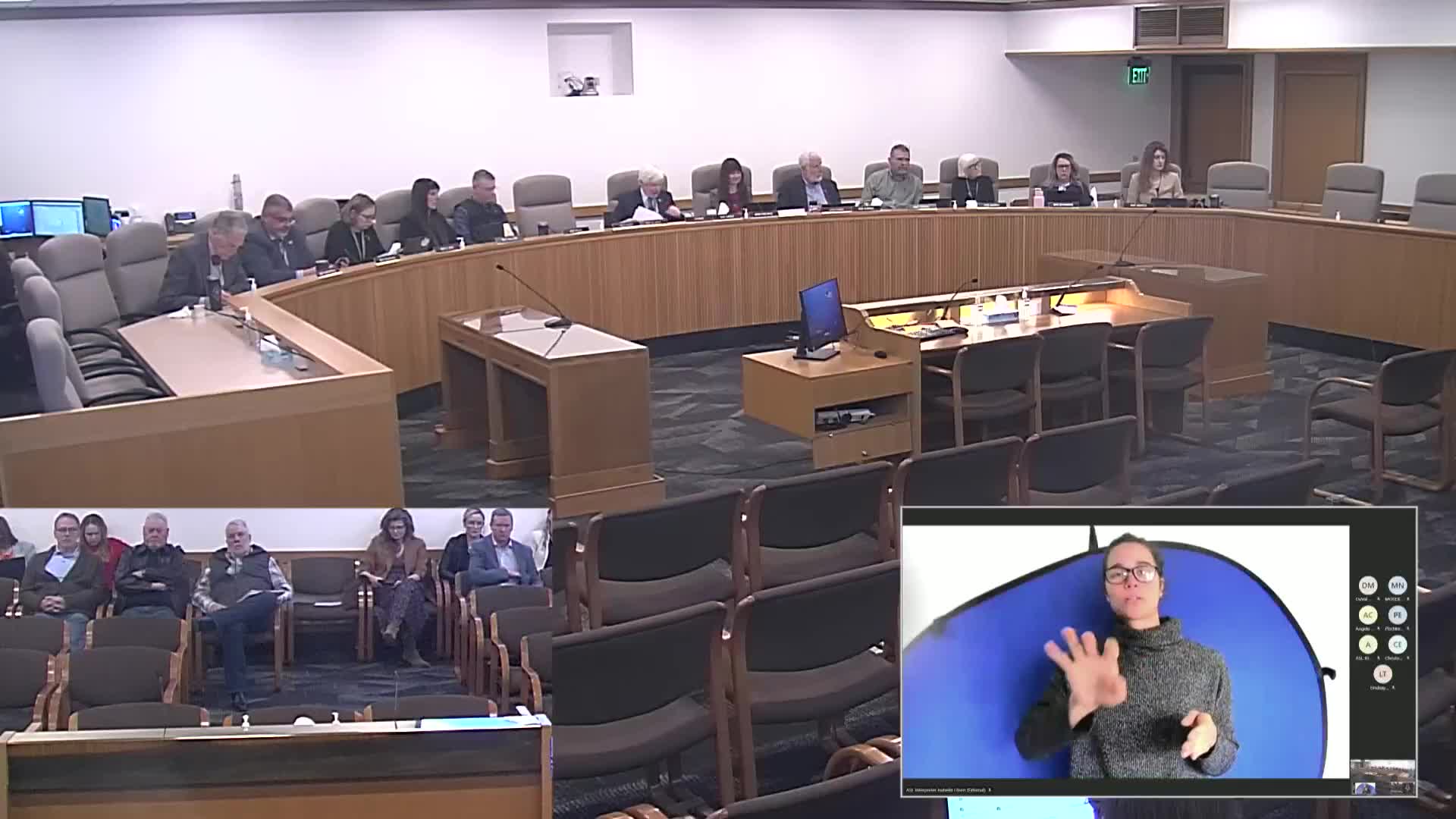
Representative Ken Helm opened the public hearing on House Bill 2985, which would repeal or modify statutes that exempt the Oregon Public Utility Commission from certain provisions of the Oregon Administrative Procedures Act regarding contested-case and declaratory-ruling proceedings. Committee staff told members the bill includes a dash-1 amendment that specifies certain contested-case provisions would not apply to PUC proceedings.
Representative Helm said the bill is aimed at increasing transparency and accountability in PUC orders by requiring more particularized findings of fact and conclusions of law that specifically address contested issues raised by parties. Helm told the committee that better findings can reduce litigation and make decisions easier to review.
Marie Barlow, an attorney representing New Sun Energy, supported the concept and noted that other agencies (and federal agencies such as FERC) organize comments by topic and address each substantive comment in a clear manner. Barlow said contested-case proceedings are resource-intensive for participants and that the bill aims to ensure participants see that their submitted arguments were considered and resolved.
Nolan Moser, executive director of the Oregon Public Utility Commission, said the PUC's statutes and rules are modeled on the APA and that the commission already issues findings of fact and conclusions of law in hearings. Moser noted two material changes in the bill: appeals of declaratory rulings would go to circuit court rather than the Court of Appeals, and parties would be required to seek reconsideration from the commission before appealing to the Court of Appeals. He said the commission already lays out party positions in contested-case orders but cautioned that explicitly requiring the commission to resolve every contested policy option could significantly increase staff and ALJ workload and lengthen case times, particularly for policy-heavy proceedings where the commission may have many legally supported policy paths.
Committee members asked about administrative-law judge resources. Moser said the PUC has six administrative law judges. Representative Anderson asked about the standard of review on appeal; committee staff said appeals to the circuit court would be reviewed for substantial evidence.
Supporters from industry and advocacy groups included Angela Cook of the Oregon Solar and Storage Industries Association (OSEA), who said the bill would help ensure parties are heard and might reduce appeals; Brent Wolf of the Oregon Broadband Association said he was concerned the bill could prolong proceedings and signed up in opposition, asking to remain involved in the process. The committee closed the hearing after testimony.