Lifetime Citizen Portal Access — AI Briefings, Alerts & Unlimited Follows
Lawmakers hear testimony for task force to study renewable diesel supply and production
Loading...
Summary
Representative Paul Evans sponsored HB 3261 to establish a 16‑member task force on renewable diesel and require a report by Dec. 15, 2026. Testimony from producers, a proposed local refinery developer, TriMet and industry groups focused on production capacity, permitting and infrastructure barriers.
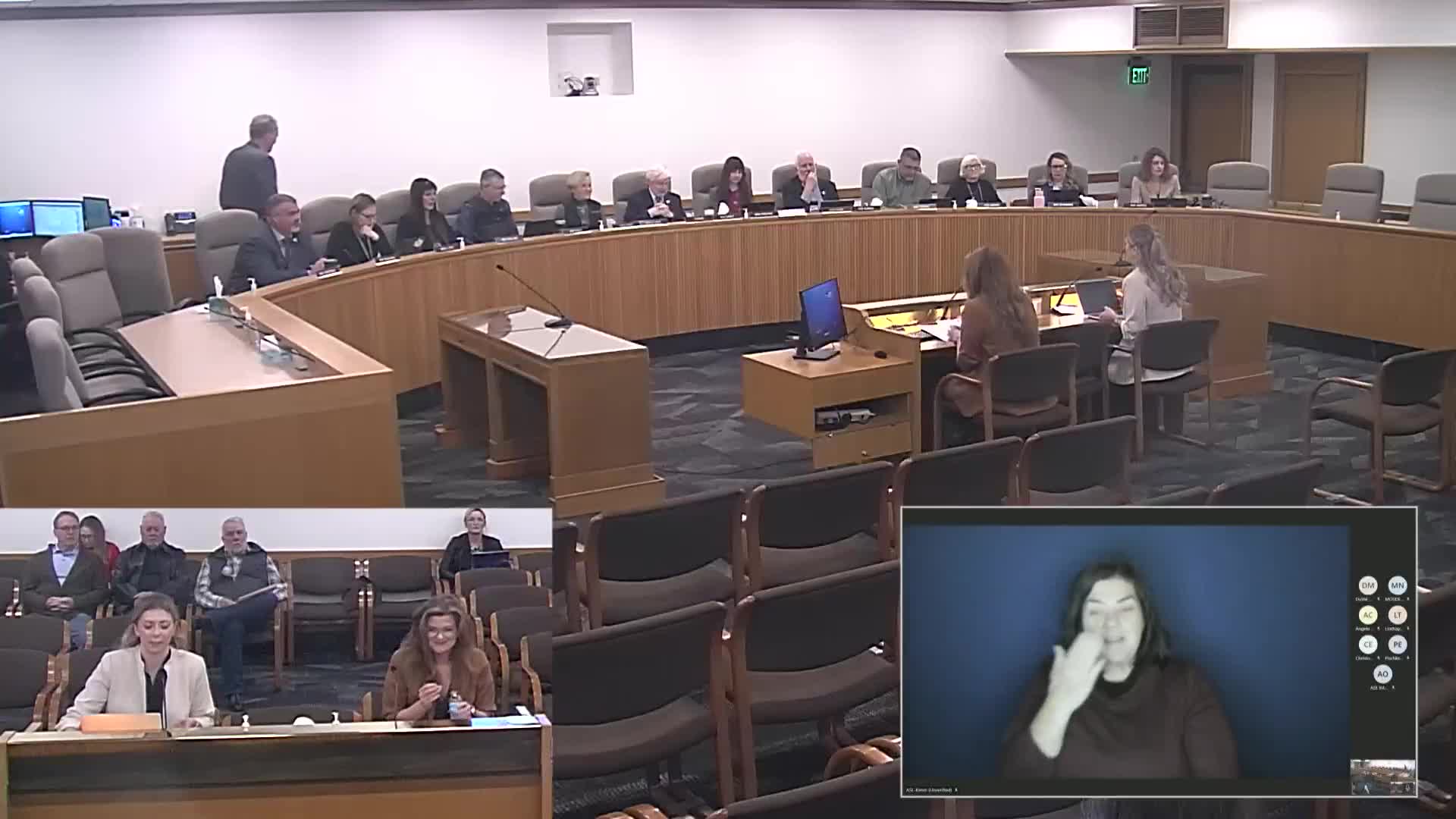
The committee held a public hearing on House Bill 3261, which would establish a 16‑member task force on renewable diesel and require the task force to submit a report to the Legislative Assembly by Dec. 15, 2026. Committee staff said a "-1" amendment posted to OLIS would add two additional governor-appointed members to the task force, including a representative of TriMet or the school-bus/heavy-lift public sector.
Sponsor Representative Paul Evans described renewable diesel as distinct from biodiesel and petroleum diesel, saying renewable diesel stores longer and can be a near-term decarbonization option for heavy-duty vehicles, emergency response and agricultural equipment. Evans said the task force should study optimizing distribution, usage and production; develop timelines for wider availability; and identify state actions to ease production and siting.
Chris Freiford, founder, chairperson and CEO of NextClean Fuels, described a proposed Port Westward facility in Columbia County that he said had received major state and local permits and was completing Clean Water Act permitting. Freiford said the planned plant would be a world-scale facility producing 600 million gallons per year, employ about 3,000 workers during construction, provide long-term operations jobs and generate state and local tax revenue. He urged the task force to study logistics, terminal capacity, pipelines and feedstock supply.
TriMet's Lindsay Tennis testified in support of HB 3261 with the dash‑1 amendment so TriMet could have representation on the task force. Tennis said TriMet had transitioned its fleet to R-99 renewable diesel and is now the single largest consumer of renewable diesel in Oregon but currently procures product from a refinery in Singapore; TriMet said it wants greater in‑state supply.
Trade groups and industry witnesses—Mike Verese of the Oregon Fuels Association and Sharla Moffett of Oregon Business and Industry—said they were neutral or cautious. Verese said the industry is constantly looking at importing and distributing renewable diesel and that permitting and terminal capacity are practical constraints; he said imports had surged in 2022–23 but supply showed signs of decline in late 2024. Moffett said the product is in demand but that a task force may not be necessary given recent information about the industry; she urged attention to permitting and cost-incentive barriers.
Several witnesses recommended the task force study permitting, terminal and pipeline infrastructure, in-state feedstock potential, and procurement or incentive measures that could make local production economically viable. The committee closed the public hearing after recorded testimony.