Lifetime Citizen Portal Access — AI Briefings, Alerts & Unlimited Follows
Legislators hear case for sustained funding for Oregon Hazards Lab
Loading...
Summary
Supporters asked the House Higher Education Committee to approve sustained state funding for the Oregon Hazards Lab at the University of Oregon, citing the lab’s seismic monitoring, ShakeAlert early-warning integration, and a public wildfire camera network used by first responders and the public.
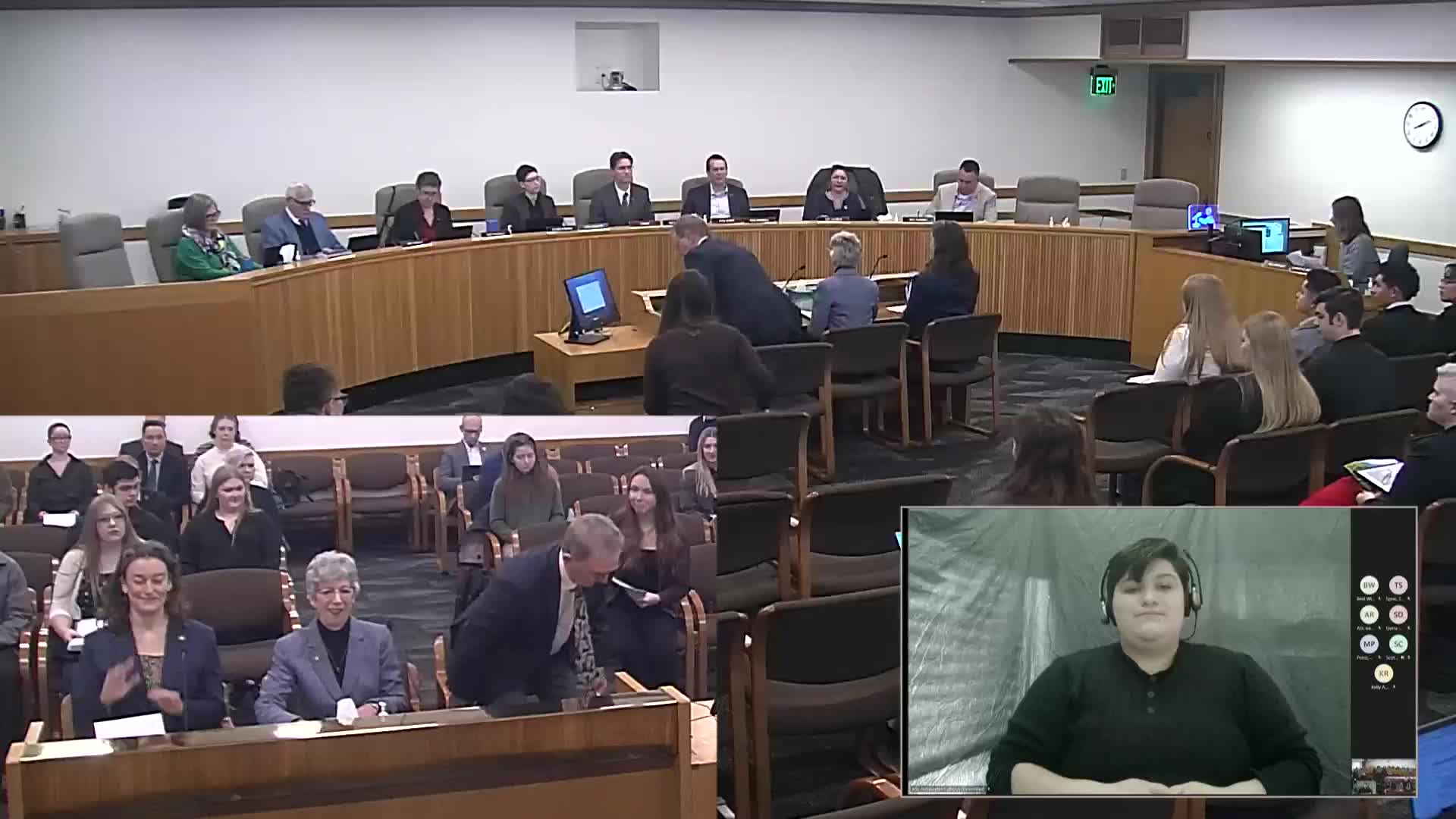
Supporters told the House Committee on Higher Education and Workforce Development that continued state funding is needed to sustain the Oregon Hazards Lab (OHAZ) at the University of Oregon, which operates seismic stations, a public wildfire camera network and other detection systems used by first responders and the public.
Representative Nancy Nathanson, sponsor of House Bill 3,219, told the committee that OHAZ operates roughly 250 seismic stations as part of the Pacific Northwest Seismic Network and that the lab’s public-facing wildfire camera network is among the largest in the country. “We do a lot of planning and budget work to address emergency response, mitigation, and resilience,” Nathanson said, urging sustained support for a statewide service used by local agencies and first responders.
“Science is necessary to understand things, technology is necessary to detect things, and how we work the community and our stakeholders throughout the region is very important,” said Douglas Toomey, director of the Oregon Hazards Lab at the University of Oregon. Toomey described ShakeAlert, the West Coast earthquake early warning system, and the lab’s wildfire camera network, which he said runs AI-enabled detection and feeds verified alerts to fire agencies and other responders.
Toomey told the committee the state contributed about $12 million from fiscal 2020 to fiscal 2025 for ShakeAlert and the wildfire camera system, and those state dollars helped leverage roughly $16.25 million in federal funds. He said nonfederal cameras and seismic stations — primarily west of the Cascades — rely on state funding to support operations and rural communities and small utilities that could not otherwise afford access.
Testimony included local examples: Representative Dacia Graber, a former first responder, described how advance warning and camera verification can help dispatch and response decisions during fast-moving wildfires. Autumn Oberhart, an undergraduate communications assistant at the lab, described workforce and student-training benefits, and Toomey discussed the lab’s participation in interoperability and wildfire detection committees, including the Oregon Wildfire Detection Camera Interoperability Committee created after Senate Bill 762.
Committee members asked about the dollar amount requested for the biennium. Toomey said the lab was working with the Legislature’s budget office and estimated — following the lab’s build-out plan for cameras — an ask on the order of $8 million for the biennium. Committee members pressed for cost and geographic details; Toomey supplied past funding totals and described plans to expand the camera network to 200–300 cameras over time.
No committee vote was recorded on the bill during the hearing. Representatives and local officials who testified said sustained funding would support early warning systems, public-facing situational awareness, and student training opportunities.