Get Full Government Meeting Transcripts, Videos, & Alerts Forever!
Get email alerts on the Child Care Referrals Ccr R topic
No spam. Unsubscribe anytime.
Supporters push bill to revive local child‑care referrals through CCR&R grant program
Summary
Family‑level testimony and agency briefing backed House Bill 2452, which would direct the Department of Early Learning and Care to establish a grant program to strengthen Child Care Resource and Referral (CCR&R) agencies and restore enhanced, personalized referral services statewide.
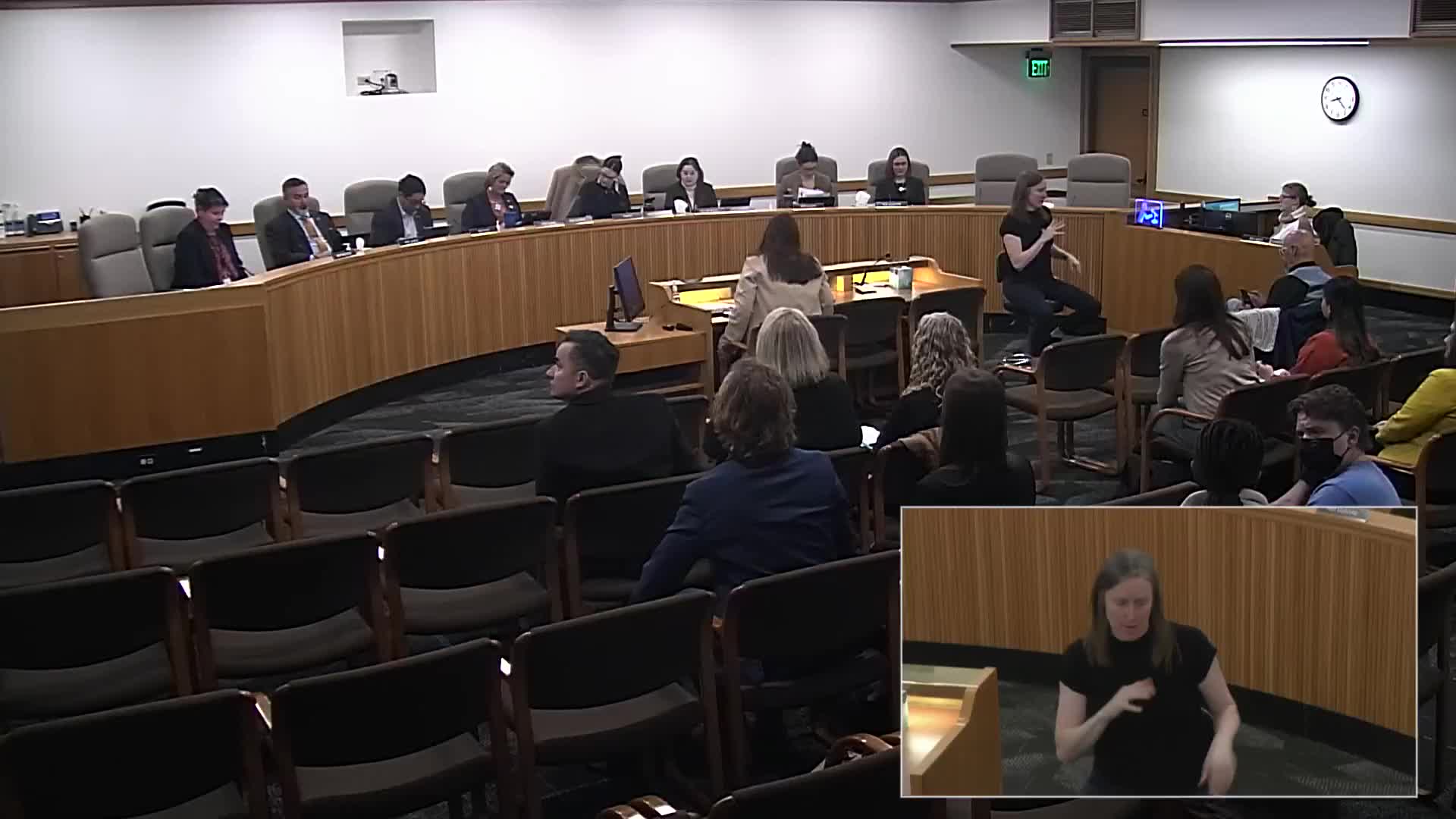
House Committee on Early Childhood and Human Services took testimony Feb. 20 on House Bill 2452, which would direct the Department of Early Learning and Care to establish a grant program to build capacity at Child Care Resource and Referral (CCR&R) agencies and restore more personalized referral services to families seeking child care.
Marchelle Marcos, political director at Family Ford, told the committee that many families struggle to find openings that match hours, language needs, and special‑needs care, and said CCR&Rs offer the “personal touch and local expertise” needed to connect families to providers. “With nearly every county in Oregon being a child care desert, it's clear that we need to make every open slot count,” Marcos said.
Alyssa Traeger, DELC director, provided context on referral infrastructure. She said Oregon shifted centralized referrals to 2‑1‑1 in 2016 to provide 24/7 multi‑service access and to reduce costs, but that enhanced local referrals (previously provided by CCR&Rs for some program populations) offered individualized contacts — calling multiple providers and following up — and were not fully available statewide. Traeger said recent DELC work includes a January text outreach to ERDC‑approved families not yet connected to providers; of 107 families who replied requesting contact, 55 received referrals and eight reported they had found a provider.
Witnesses from community CCR&R organizations and providers described on‑the‑ground experience. April Paul of NeighborImpact Childcare Resources said CCR&Rs “went beyond simply giving families a list” by vetting providers, confirming openings, and helping families with financial assistance and special‑needs referrals. Drea Smith, co‑owner of a child care center in Eugene, described expanding capacity following a CCR&R referral effort but said filling preschool slots remains difficult and that many programs rely on ERDC‑subsidized families.
Committee members asked about program funding and oversight. Representative Elmer asked whether a fiscal impact analysis exists; DELC staff said a fiscal statement had not yet been provided and that the agency was present only to offer background. Vice Chair Sharf asked whether CCR&Rs were decommissioned; Traeger said CCR&Rs remain active but shifted toward workforce development after referrals moved to 2‑1‑1 in 2016.
Supporters urged restoring enhanced, local referral capacity to reach the roughly 25% of ERDC‑eligible families who were approved but unconnected to a provider. Proponents framed the bill as rebuilding community‑based navigation, especially for rural and limited‑English families. No committee action or vote was recorded during the hearing.