Get Full Government Meeting Transcripts, Videos, & Alerts Forever!
Get email alerts on the Rezone East Drive 162 186 topic
No spam. Unsubscribe anytime.
Planning commission denies East Drive rezoning amid strong neighborhood opposition
Summary
The Mobile City Planning Commission voted to deny a rezoning request for 162 and 186 East Drive from R-2 to R-3 after multiple residents testified about traffic, neighborhood fit and problems with the applicant’s neighborhood meeting and materials.
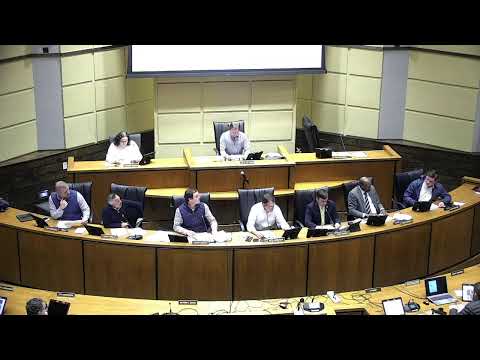
The Mobile City Planning Commission on Feb. 20 denied a rezoning request for properties at 162 and 186 East Drive that would have changed the zoning from R-2 (two-family suburban) to R-3 (multifamily suburban).
Residents and neighbors mounted a multi-speaker opposition during the public hearing, arguing the proposed change was inconsistent with the street’s character, would increase traffic on a road previously discussed for through-traffic limitations, and represented an incomplete or misleading neighborhood outreach. Roger Woods told commissioners he counted 24 residents opposed at the neighborhood meeting and said the applicants had omitted that voting result from their meeting summary.
Several speakers cited traffic and safety concerns. Jeff Beberstock, a resident who described himself as a lawyer, said the proposal would increase cut-through traffic and was not consistent with the existing neighborhood pattern. John Adams, whose home sits a block and a half away, reminded the commission East Drive had been the subject of past traffic discussions and said the street could not absorb new volumes without negative consequences. Eric Haines, president of the Ridgefield homeowners association, said the R-2 designation already provided housing capacity and that repeated plan changes made the application harder to evaluate.
Applicant representative Vince LaCoast asked the commission for a holdover early in the hearing, but commissioners ultimately considered and rejected the rezoning. The planning commission applied its findings of fact and approved a motion to deny the rezoning request; the commission’s vote was by voice and individual roll-call tallies are not recorded in the public transcript.
What happens next: The planning commission’s decision can be appealed to the city council, and any new application would have to satisfy the city’s UDC requirements, neighborhood meeting procedures and findings of fact that commissioners weigh for rezoning cases.