Get Full Government Meeting Transcripts, Videos, & Alerts Forever!
Get email alerts on the Active Transportation topic
No spam. Unsubscribe anytime.
Safe Routes to School pitch: commissioners press for funding, caution on fees
Summary
Jeannie Wardwaller of the Safe Routes to School National Partnership presented data on walking and biking, safety risks, and the Active Transportation Program; commissioners asked about funding options including a bicycle registration fee and raised safety and implementation concerns.
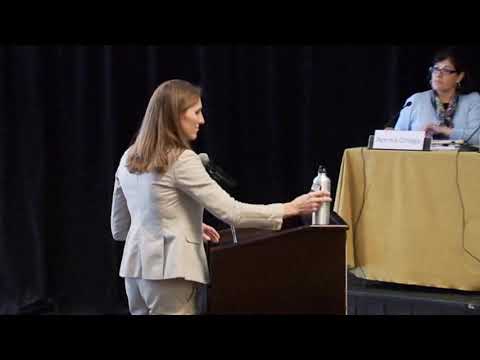
Jeannie Wardwaller, California advocacy organizer for the Safe Routes to School National Partnership, told the Transportation Commission that walking and bicycling account for a growing share of trips in California and described safety risks and benefits tied to active transportation projects.
“Eighteen percent of our trips are walk and bike,” Wardwaller said, citing the California Household Travel Survey, and she added that “31% of students walk and bike to school in the state.” Wardwaller described the Active Transportation Program (ATP) as a high‑demand grant program—Caltrans anticipated roughly 1,000 applications for approximately $360 million—and said the program faces barriers because many communities lack ready‑to‑apply projects.
Wardwaller highlighted safety and equity rationales for ATP and Safe Routes to School: “In a lot of our urban areas, kids are walking and biking at very high rates. They’re subject to high safety risks,” she said, noting pedestrian and bicyclist fatalities and serious injuries represent a disproportionate share of traffic harm. Wardwaller also described benefits ranging from household transportation cost savings to increased local economic activity near bike‑and‑pedestrian investments.
Commissioners pressed on funding options. Commissioner Jim Gilmetti raised the idea of a bicycle licensing fee, saying he supported a small fee to help fund safety projects. Wardwaller said she would “be willing to explore it” but cautioned that introducing new fees could be a barrier for low‑income riders. Secretary Kelly and other commissioners noted the ATP consolidates several previously fragmented programs and uses federal alternative‑transportation funds and other targeted sources rather than redirecting traditional highway funds.
Commissioners asked for Wardwaller’s slides to be shared with staff and the commission, and several offered personal willingness to help outreach and messaging. The commission did not take a vote on policy changes; Wardwaller’s presentation and discussion were received as informational and the commission encouraged stakeholders to help prepare applications and to consider equitable funding options.