Get Full Government Meeting Transcripts, Videos, & Alerts Forever!
Get email alerts on the Senior And Accessible Housing topic
No spam. Unsubscribe anytime.
Senate bill targets one‑level and accessible housing in Greater Minnesota; amendment expands to people with disabilities
Summary
Senate File 12‑27 would make infrastructure grants available for senior and accessibility‑focused housing (one‑level homes, patio homes, units suitable for people with mobility impairments). The committee adopted an amendment expanding eligibility language to include people with disabilities and laid the bill over for omnibus consideration.
Senate File 12‑27, presented to the Minnesota Senate Housing Committee, would allow communities to use existing infrastructure grant authority to develop senior housing and one‑level (single‑floor) residences suited for older adults and people with mobility impairments.
Senator Erik Drainheim, who carried the measure, said the bill targets housing types that allow seniors and people with mobility issues to remain independent: “If you have a member that has mobility issues, it’s gonna be hard,” Drainheim said, explaining the rationale for prioritizing one‑level housing and small developments that larger developers might not undertake.
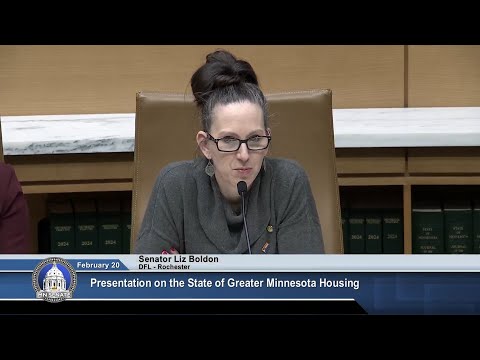
The committee approved an A‑1 amendment offered by Senator Drainheim that expanded the bill’s focus to include people with mobility issues. Later, an oral amendment to the A‑1 was adopted to use the person‑first phrasing “people with disabilities.” Chair Lindsey Port spoke in support of the amendment and described personal experience searching for accessible housing in Rochester.
Testimony and discussion emphasized demographic trends: senators noted Minnesota’s aging population (committee discussion cited a rise from about 12% of the population aged 65+ to an expected nearly 20% by 2030) and said targeted investments in senior and accessible housing can help keep families and seniors in their communities.
The bill was laid over for possible inclusion in a future omnibus; no final appropriation vote occurred at the hearing.
Why it matters: supporters argued that one‑level and universally accessible housing will address an expanding need as Minnesotans age and will also serve younger households that include members with mobility impairments. Committee language was adjusted to use person‑first terminology and emphasize accessibility.