Get Full Government Meeting Transcripts, Videos, & Alerts Forever!
Get email alerts on the Student‑internet‑safety topic
No spam. Unsubscribe anytime.
Law firm urges Taos school board to join national litigation over social media harms to students
Summary
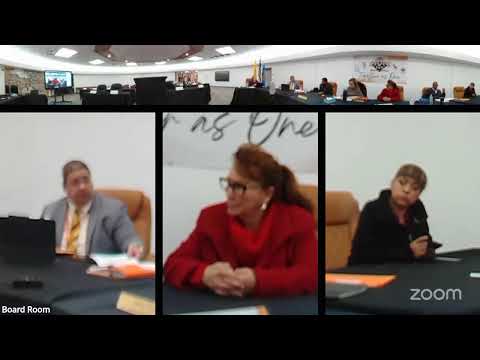
Bridal Fulham, a former New Mexico state auditor and managing partner at Singleton Shriver Law, told the Taos Municipal Schools Board of Education on Feb. 19 that his firm represents school districts in a consolidated, multi‑district lawsuit alleging major social media platforms have algorithms that harm children.
Bridal Fulham, a former New Mexico state auditor and managing partner at Singleton Shriver Law, told the Taos Municipal Schools Board of Education on Feb. 19 that his firm represents school districts in a consolidated, multi‑district litigation against social media companies and invited Taos Municipal Schools to join.
Fulham said the litigation focuses on harms his firm and other plaintiffs allege arise from platform algorithms and described work his firm is doing nationally. "This is about the dark side of social media," he said, adding that the firm has offered to represent districts at no cost unless there is a recovery.
The presentation included data points Fulham attributed to national reports: he said "95% of our adolescents use at least one social media platform, and 33% self‑report using social media constantly." He described potential remedies he and other plaintiffs are seeking, including parental controls and time‑limit features, and said the litigation theory centers on negligence and public nuisance related to platform algorithms.
Nut graf: The presentation asked the local board to consider formally contracting the firm to join the national litigation; board members responded with questions about timeline, data and interim policies and expressed support for community education efforts Fulham offered to provide at no charge.
Board members pressed Fulham on timing and likely duration. Fulham said the cases are in a motion phase inside a consolidated MDL on the East Coast and estimated that substantial movement toward resolution was likely a year or two away; he also cautioned MDLs can take much longer. "This is not short‑term litigation," he said. He characterized the effort as long term but argued that collective participation by many districts and state attorneys general could encourage platform changes where profit incentives align.
Several board members asked what immediate steps the district could take while litigation proceeds. Fulham and Superintendent Antonio Layton discussed procurement and contract review; Fulham suggested the board place an item on a future meeting agenda to approve engagement and asked the superintendent to review a proposed contract. Fulham also offered to co‑host town halls with the district at no charge to educate families about social media risks and mitigation strategies.
Board members raised questions about interim district policies—especially limits on student phone use in classrooms—and whether local data exists to show benefits from such measures. Fulham said the litigation does not replace local policy work and urged the district to consider stricter classroom cell‑phone rules as part of a broader strategy.
Ending: The board did not vote to hire the firm that night. Several board members asked the superintendent to place an action item on a future regular meeting agenda for formal consideration and to follow procurement rules; Superintendent Layton said staff would take steps to prepare a contract and procurement review for board consideration.