Get Full Government Meeting Transcripts, Videos, & Alerts Forever!
Get email alerts on the Construction Claims topic
No spam. Unsubscribe anytime.
Caltrans outlines multi-step construction claims process, cites 240-day administrative window and falling arbitration caseload
Summary
Caltrans construction leadership described a three‑phase dispute-resolution system—on-the-job dispute resolution, an administrative claims phase limited by the Public Contract Code to 240 days, then binding arbitration—saying most claims are resolved early and arbitration filings have declined even as some large, complex claims remain.
Mark Lija, division chief of construction for the California Department of Transportation (Caltrans), told the Transportation Commission that Caltrans uses a three‑phase system to resolve construction disputes: on‑site dispute resolution during active construction, an administrative claims phase after project acceptance, and binding arbitration if disputes remain unresolved.
Lija said the administrative window is governed by the Public Contract Code and gives the department 240 calendar days after project acceptance to resolve administratively handled claims. “The claims resolution process has really 3 very distinctive phases,” Lija said, describing tools used at each stage including an escalation ladder, documentation steps, and neutral dispute‑resolution boards for larger projects.
Caltrans staff told commissioners the dispute‑resolution tools aim to limit delay and cost growth and to preserve contractor competition and staff morale. Lija noted less obvious impacts from disputes such as higher future bid prices if contractors perceive an owner as risky and staff turnover caused by repeated conflicts.
Why it can take months
Under the administrative claims process, resident engineers issue a proposed final estimate to a contractor within about 40 days after project acceptance; contractors then have roughly 30 days to respond. If differences persist, district claims analysts assemble reports and the district deputy for construction and, if needed, a three‑person board of review advise the district director who issues the district director determination letter. If unresolved after the administrative process, a contractor may file for binding arbitration with the Office of Administrative Hearings, Lija said.
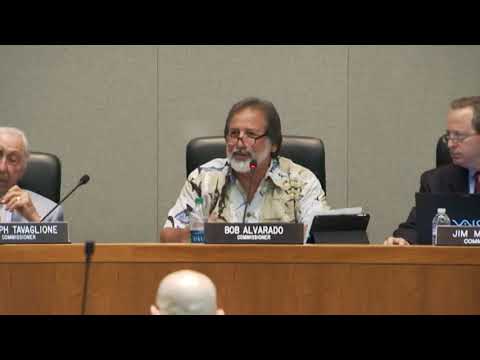
Commissioners pressed Caltrans on timeframes. Commissioner Roberta asked why the administrative phase can approach a year; Lija said most projects resolve well before the 240 days but acknowledged some protracted cases. Commissioner Alvarado and Commissioner Inman said prolonged timelines increase contractors’ cost of capital and risk, driving higher bids and harming smaller subcontractors.
Program scale and current caseload
Caltrans provided monthly program statistics to the commission. As of the report date Caltrans said it had 657 projects under contract valued at about $11.4 billion and had paid roughly $2.7 billion in progress payments so far in the fiscal year. The department said it accepted 430 contracts this fiscal year and that about 2,500 construction staff are active in the field.
At the time of the presentation, Caltrans reported 79 projects in the 240‑day post‑acceptance period; 49 of those had outstanding claims with an aggregate claimed value of about $60 million. Nineteen cases were in arbitration with a potential exposure of about $39 million, Caltrans said. Lija added that the statewide moving‑year average of cost growth during the claims period is between 1 and 3 percent and that the department’s target is no more than 2 percent; recent data showed final cost averaging about 96 percent relative to original allocations on a moving average basis.
Administrative controls and alternative dispute resolution
Lija described contract provisions Caltrans uses to limit escalation: a dispute escalation ladder that defines a short timeline (for example, five business days) for front‑line resolution, three‑step documentation requirements (supplemental then full and final documentation), and dispute resolution boards on projects above $10 million (single dispute resolution advisers between $3 million and $10 million). He said Caltrans can and does use alternative dispute resolution and that the agency tries to keep arbitration as a last resort because arbitration often involves discovery, experts and attorneys.
Caltrans also reported using G‑12 contingency funds to cover certain unforeseen costs on some projects; in the presentation Lija referenced $13.3 million of G‑12 funds applied to cover specific unforeseen costs in the construction program.
What the commission asked for next
Commissioners asked Caltrans to provide additional performance data at a later date, including average time to close claims and how often cases reach the 240‑day threshold. Lija said he would return with metrics showing how long administrative claims take to resolve and other performance indicators.
Ending
Caltrans framed the dispute‑resolution approach as intended to minimize schedule and cost impacts and to preserve contractor participation. Commissioners pressed for more granular performance data so the commission can better understand how delays affect contractor pricing and small subcontractors and to evaluate whether additional process or policy changes are warranted.