Get Full Government Meeting Transcripts, Videos, & Alerts Forever!
Get email alerts on the Blight Cleanup topic
No spam. Unsubscribe anytime.
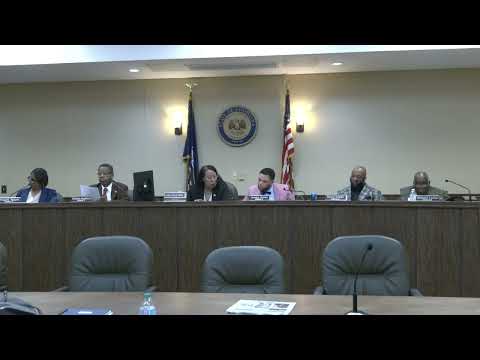
Council debate over blight, demolition and use of ARP funds as residents press for cleanup
Summary
Residents, business owners and volunteers urged the council to tackle blight, demolition and road/flooding problems. Councilors, public works staff and the city attorney discussed limits on using city equipment, adjudicated properties, disposal costs, and a $200,000 cleanup allocation tied to earlier grants.
Business owners and neighborhood volunteers pressed the Bastrop City Council to step up enforcement and cleanup of blighted properties across the city, saying visible trash, dilapidated houses and blocked roads hurt commerce and quality of life.
Robin Simmons, owner of Simmons Sporting Goods, told the council she owns several properties near North Washington and drove the list of sites that Code Enforcement had flagged after the council adopted a “code enforcement reform act of 2024.” “It’s embarrassing to me,” Simmons said, asking the city to coordinate volunteers and public- and private-sector partners ahead of large visitor events.
Other residents, Keep Morehouse Beautiful volunteers and Morehouse General Hospital CEO L. Moore Patterson said they would partner with the city on demolitions and lot cleanups but noted the city’s limits on disposal and hazardous-material handling. Volunteers described a program that pays property owners half the demolition cost in some cases and said they have helped remove about 27 structures over time.
Council and staff discussion: City staff and the council discussed funding and logistics at length. Public works staff said the city has some equipment and a burn curtain at the landfill for brush and vegetative debris but cannot legally burn construction debris or asbestos-containing materials without DEQ approval. Staff said disposal fees are typically charged by weight at the landfill and that contracting with private haulers to remove demolition debris remains the usual path.
Adjudicated properties and legal constraints: City Attorney Jones explained that tax adjudication does not automatically transfer title to the city; the city must pass an ordinance, serve notice on interested parties and allow a 60-day redemption period before title vests. Jones said the cooperative-agreement approach — where the owner consents and the city or a partner reimburses a property owner up to an agreed amount to demolish and clean a lot — can speed work while avoiding condemnation hearings, but it trades off the city’s ability to recoup full costs.
Council funding and programs: Council members and staff described a $200,000 line in the budget identified for cleanup work funded from earlier rescue/ARP-related allocations; staff said roughly $88,000 of that has been expensed already toward identified adjudicated lots. Council members proposed using district ARP allocations or contracting with private firms for demolition on adjudicated or dangerous properties where legal and cost conditions permit.
Next steps: Council directed staff to map which adjudicated and privately owned nuisance properties are eligible for immediate cleanup using city equipment or ARP funds, to estimate disposal costs per demolition, and to draft cooperative-agreement language that would allow the city to reimburse owners or contractors while protecting the city’s ability to recoup costs if property is later sold.
Ending: Council members and community volunteers left the meeting with an agreement to continue coordinating: staff will provide lists and cost estimates, and the council signaled preference for combining targeted public works action with private contractor bids where legal and financially feasible.