Get Full Government Meeting Transcripts, Videos, & Alerts Forever!
Get email alerts on the Local Transportation Funding topic
No spam. Unsubscribe anytime.
2012 statewide assessment: California faces $82 billion shortfall to maintain local streets, roads and bridges
Summary
A 2012 statewide needs assessment presented to the California Transportation Commission finds a 10-year local streets and roads funding gap of roughly $82 billion, warns of steep pavement decline and growing bridge needs, and highlights recycling technologies that could cut costs.
A presentation to the California Transportation Commission on the 2012 California Statewide Local Streets and Roads Needs Assessment concluded that local jurisdictions face a wide and growing gap between needs and available funds.
Margo Yap of Nichols Consulting Engineers, presenting the report developed for the California State Association of Counties and the League of California Cities, told commissioners the study estimates total 10‑year needs for local streets, roads and related right-of-way assets at about $107,000,000,000 and available funding at roughly $25,000,000,000 — leaving a shortfall the report rounds to about $82,000,000,000.
The report examines pavement condition, bridges, and a broad set of right-of-way assets including sidewalks, curb ramps (Americans with Disabilities Act work), storm drains, signs and signals. Yap said the statewide average pavement condition index is about 66 and warned that “66 is right on sort of the edge of that very steep deterioration, the edge of a cliff,” meaning deferred preservation can produce large future replacement costs.
Why it matters: the assessment links condition to dollars and lifecycle timing. Yap illustrated that preventive treatments carry much lower unit costs (the report cited typical preservation costs of roughly $2–$4 per square yard in green condition versus $60–$100 per square yard in poor condition) and said that “the more we defer repairs, the more it is going to cost.”
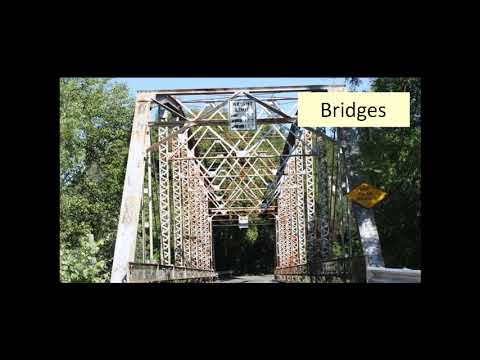
Bridges and other assets: the presentation said California has about 24,000 bridges; roughly half are owned by Caltrans and half by cities and counties. The report identified about 3,500 smaller bridges (typically with spans under 20 feet) that were not previously included in statewide inventories. Yap said more than half of local bridges are older than 50 years and “are coming to the end of the service lives,” and she projected that under current funding roughly 40 percent of bridges could be considered structurally deficient within 10 years.
Funding and trade-offs: the study tallied some 30–40 revenue sources and estimated current funding for the local system at about $25 billion over the 10‑year window. Using 2011 gasoline consumption as a baseline, the assessment estimated that raising the statewide gasoline excise by about 56 cents per gallon would nearly close the gap; for an average driver the consultants translated the number to roughly 76 cents per day. The authors emphasized that closing the gap will require new revenue and prioritization choices at multiple levels of government.
Sustainable practices and cost savings: the assessment highlighted recycling technologies (for example cold-in-place and warm-mix asphalt recycling) that practitioners are increasingly using and that the report estimated could reduce costs by roughly 30–35 percent on eligible projects. Yap said that if roughly half of eligible projects used recycling methods over 10 years, the state could save on the order of $8.8 billion.
Consequences of inaction: the report projected that, at current funding levels, a quarter of local lane miles would be classified as failed within 10 years and gave examples — from urban arterials with potholes and rutting to rural bridge failures that can produce long detours for local communities.
Commissioners’ questions and next steps: commissioners pressed the presenters on regional differences, lessons from self-help sales taxes, and whether the report’s local-system results were folded into the California Transportation Commission’s statewide needs assessment. Yap replied that urban regions with dedicated local sales taxes for pavement management (for example Orange County) generally show better pavement condition but results depend on how revenues are allocated. The presenters said they had briefed legislative staff and planned additional meetings with legislators and stakeholders to press the report’s findings.
The presenters concluded: “Additional revenues are needed,” and urged early preservation and wider use of cost‑saving recycling techniques as immediate policy levers.