Get Full Government Meeting Transcripts, Videos, & Alerts Forever!
Get email alerts on the Veterinary Medicine topic
No spam. Unsubscribe anytime.
Senate approves updated veterinary practices law after committee and stakeholder negotiations
Summary
Senate Bill 21-29, modernizing the state's veterinary practices act, passed after amendments that addressed concerns from the veterinary board and the profession. The changes clarify practice definitions, telemedicine, self-reporting to a professional health program and rulemaking authority.
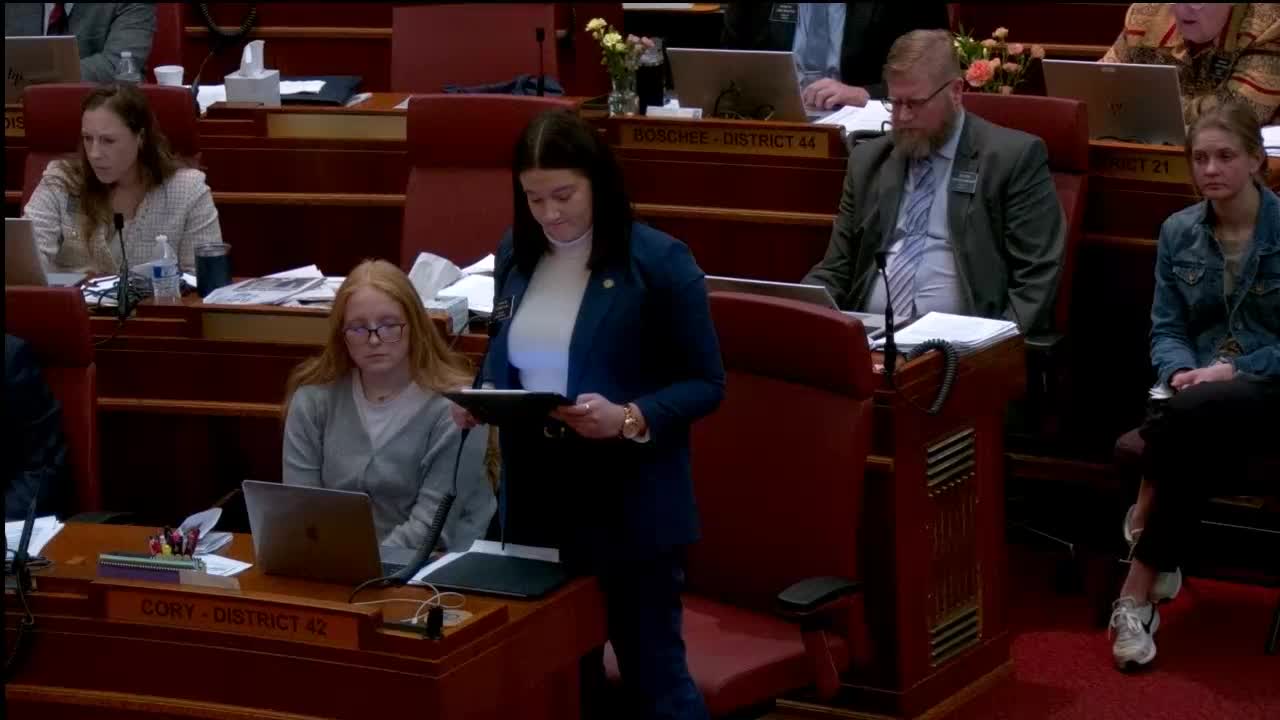
Senate Bill 21-29, which updates the veterinary practices act in the North Dakota Century Code, passed the Senate after an amended version was presented by Senator Baucher and the Workforce Development Committee. The bill passed final passage by a vote of 45–2.
The amended package was the product of negotiations between the licensing board that regulates veterinarians and the state’s veterinary association. Senator Baucher, who carried the amendment, said the changes clarified approval criteria for accredited colleges, allowed for orderly termination of veterinarian–client–patient relationships, and exempted certain educators from being treated as practitioners when they teach. The bill creates exemptions to allow some animal-care professionals to operate without being licensed veterinarians while preserving the exclusive authority of licensed veterinarians to diagnose, prescribe and treat previously undiagnosed conditions.
Significant amendments added language to permit veterinarians to self-report to a professional health program modeled after the program that serves physicians; sponsors called that change a proven tool to help professionals access treatment for addiction or behavioral-health concerns. The amendments also removed language that would have allowed license suspension over unpaid disciplinary costs and clarified telemedicine requirements by specifying that a licensed veterinarian must have had an initial hands-on examination before providing telehealth follow-up care. The bill also shifts some unprofessional-conduct language to align with other professional licensing statutes and gives the veterinary board clearer rulemaking authority to address impairment and discipline.
Senators questioned whether concerns raised during early hearings had been addressed. Baucher and supporters said a three-week effort reconciled 13 areas of disagreement identified by the association and the board, and witnesses from both organizations told the committee they supported the amendments. Senator Eberly (representing a veterinary council) and others said they had been assured the changes addressed practitioner concerns.
The Senate approved the bill on final passage, 45 ayes, 2 nays; the bill was reported engrossed and will proceed to further steps in the legislative process.