Get Full Government Meeting Transcripts, Videos, & Alerts Forever!
Get email alerts on the Beach Erosion Glynn County topic
No spam. Unsubscribe anytime.
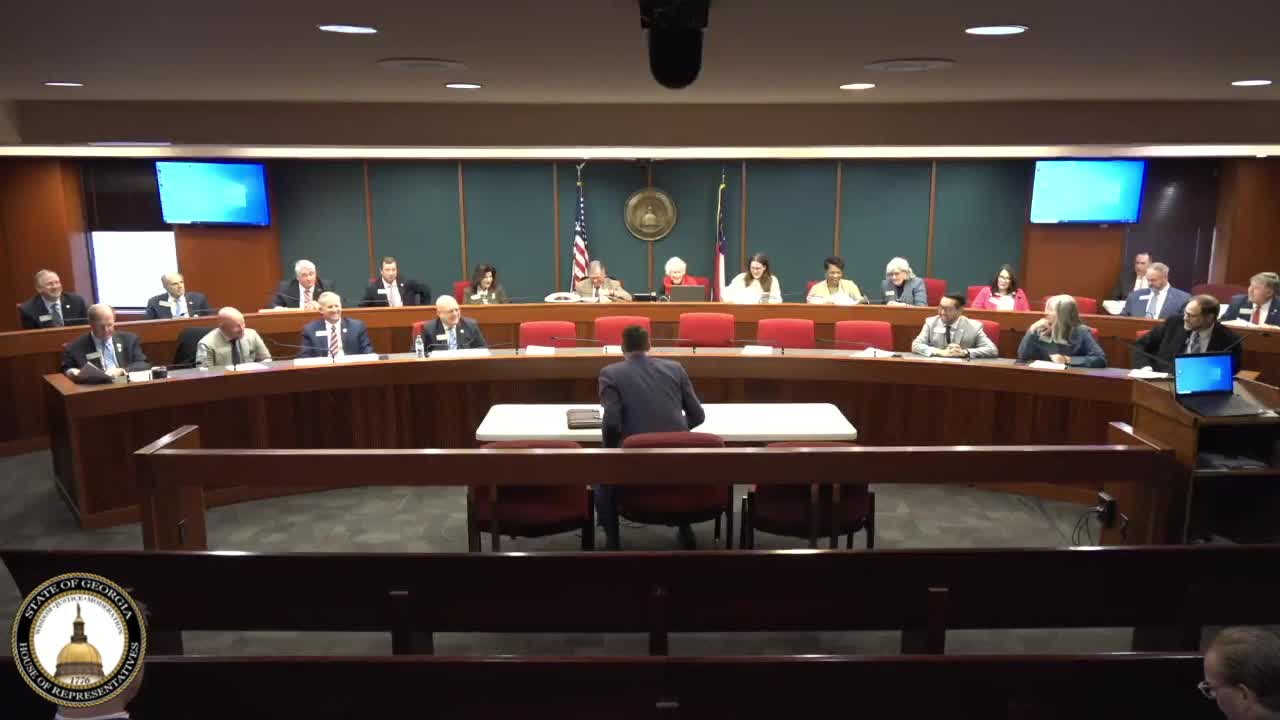
Glynn County officials brief state committee on Saint Simons Island beach erosion, safety and permit needs
Summary
Glynn County officials briefed the Natural Resources & Environment Committee on erosion and a persistent tidal pool at East Beach on Saint Simons Island, describing safety risks, temporary fixes and three remediation options.
Glynn County officials briefed the Natural Resources & Environment Committee about ongoing erosion and a persistent tidal pool at East Beach on Saint Simons Island, describing safety concerns for beachgoers, impacts on access for short-term rentals and hotels, and a range of possible fixes.
Why it matters: Bill Fallon, Glynn County manager, told the committee the tide pool and associated channeling have restricted access to the water for more than 500 nearby short-term rentals and condos and can create hazardous water conditions behind lifeguard areas. Fallon said the county installed floating walkways as a short-term measure but emphasized the arrangement is a safety concern. He said a man who had a seizure on Memorial Day weekend drowned after entering waist-deep stagnant water near the site.
Options and constraints discussed: Fallon and Representative Rick Townsend described three options the county's engineers have proposed: (1) drain the pool and scrape and redistribute sand (a short-term and largely in-house option), (2) truck in sand similar to replenishment programs used on other Georgia and Florida beaches (higher cost and logistical challenges on narrow roads), or (3) install rock breakers offshore, which Fallon estimated could cost about $30.4 million. Fallon said the county is most likely to pursue the scraping option short term but that turtle-nesting season, which runs from May through October, limits when substantial work can occur.
Permitting and environmental review: Officials warned permitting may be required from state and federal agencies depending on the work and tidal jurisdiction lines. Fallon said the county has been working with the Georgia Department of Natural Resources and that Army Corps of Engineers and U.S. Fish and Wildlife Service involvement may be required if work affects wetlands or protected species. He referenced Sea Island as an example of a property that maintains a long-term permit to move sand year to year.
Questions from committee members and next steps: Representatives asked about dredging, past storm effects and whether the condition could naturally remedy after storms. Fallon said the feature has persisted about three to four years and that existing dredging and storms have not flushed the pool. The county will distribute a one-page summary of engineering options to committee members and said it may return with a lengthier presentation as the county seeks further state assistance.
No formal committee action was taken; the item was presented as an informational briefing and may return for further discussion or request for assistance.