Get Full Government Meeting Transcripts, Videos, & Alerts Forever!
Get email alerts on the Downtown Signage Wayfinding topic
No spam. Unsubscribe anytime.
Board weighs wayfinding, monument sign options and asks arts committee to review funding partnership
Summary
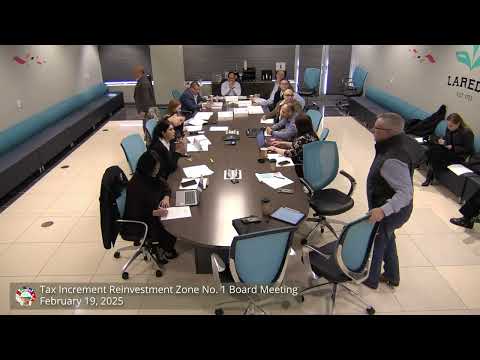
The board reviewed draft wayfinding graphics, considered options to reduce costs on the Hitt Street monument sign and approved a motion to ask the city arts committee to partner on artistic elements and possible funding.
Board members reviewed progress on downtown wayfinding and monument signage design and approved a motion to seek partnership with the city arts committee to identify artistic funding for elements of the program.
Rick Felice presented concept graphics for large wayfinding maps and smaller iconography intended for downtown kiosks and directional signage. “We wanna do something a little more playful and colorful for the map,” Felice said, showing sketches of icons for the cathedral, Plaza Theatre and other landmarks. He said the design team has been working on a color palette and scale for the signs and that the next step is to refine the icons and bring a final set of artwork back to the board for approval.
The board also discussed options for the Hitt Street monument sign. Staff presented vendor estimates for several alternatives: adding lighting/bands on the back side (roughly $3,200), adding a back face to provide a static image opposite the digital face (about $2,400), replacing the digital cabinet with a two‑sided static sign (about $7,750), and constructing a two‑sided digital display (an additional ~$13,000). Staff noted eliminating the digital cabinet could produce a net savings compared with the fully digital option; Rick Felice presented a net savings figure “about $11,349” as the example calculation on the agenda.
Board members suggested exploring arts‑funding sources. One board member proposed asking the arts commission to consider using available arts funds for the sign artwork or murals; another raised the legal deadline on spending arts funds (three years after certificate of occupancy receipt) and asked staff to contact the arts commission and the library for coordination. The board voted to authorize staff to contact the arts committee to explore partnership on “artistic projects” related to signage and murals and to include signage that qualifies as art in that outreach. The motion was amended on the floor to allow contracting‑term extensions for vendors if needed to complete the work; the amendment and motion passed by voice vote.
How this matters: The decisions steer the visual identity of downtown wayfinding and may reduce near‑term sign costs by substituting static, artistic panels for more expensive digital cabinets. Partnership with the arts committee could allow public art funds to offset some design or fabrication costs.
What’s next: Staff plans a committee meeting to finalize iconography and color palettes and will report back with final shop drawings and a recommended sign option. The board asked staff to post any committee meetings so board members can attend.