Get Full Government Meeting Transcripts, Videos, & Alerts Forever!
Get email alerts on the Human Services topic
No spam. Unsubscribe anytime.
Council hears progress report on CSFA nonprofit cohort; members and providers urge continued funding
Summary
Staff reported that the Community Services Financial Assistance (CSFA) program has shifted toward larger grants and a cohort model to boost nonprofit collaboration; nonprofit leaders and clients described service metrics and asked council to continue funding the $300,000 program.
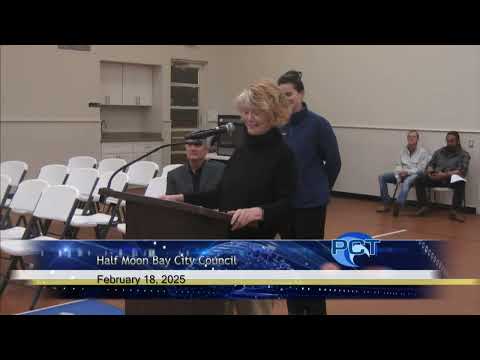
City staff presented a midyear update on the Community Services Financial Assistance (CSFA) program on Feb. 18, describing a seven-year evolution from small, one‑off grants to a $300,000 funding pool and a cohort model intended to increase collaboration among coastside safety-net providers.
Julissa Acosta, community services analyst in the city manager’s office, said the program began about seven years ago with roughly $100,000 in funding and many small awards. The city later increased funding to $300,000 and designated 10% for technical assistance to create a cohort of nonprofits that meet, share best practices and pursue collaborative grant opportunities. Acosta said the cohort helped produce a shared identity and messaging that assisted Coastside Pride in securing about $1.7 million in funding for youth mental-health services and supported outreach for a new urgent-care clinic run with Dignity Health.
Acosta told council the CSFA contracts require grantees to use the funds for Half Moon Bay residents and to submit deliverables and expenditure reports. Council members repeatedly pressed staff about accountability and benchmarks: Vice Mayor Rudnick emphasized the need to verify nonprofit fiscal standing and to consider an applicant’s other funding when setting city awards; Council Member Johnson pressed on whether the city can help nonprofit staffing shortages and whether a two-year funding cycle should be continued; Mayor Brownstone and others urged clear deliverables and reporting.
Programs director Caitlin Vreberg, speaking for CoSide Hope (a CSFA recipient), said last year her organization served 3,352 people in 1,427 households with food; she said 70% of clients were Half Moon Bay residents and that city funding helped the nonprofit leverage additional philanthropic grants. Spandam Chakrabarty, director of development for Sunesis Dental Health, said the Half Moon Bay clinic serves about 1,000 patients a year and that city support helps the clinic make a stronger case when applying for private funding.
Council did not take a funding vote on the item. Staff sought direction on subcommittee meetings and on whether to continue the second year of a two‑year funding cycle; council members asked staff to confirm applicant requirements, financial-reporting practices and deliverable metrics and to return with options during the midyear budget process.
Acosta said applications are opened by council/subcommittee guidance, that applicants must submit IRS and nonprofit-status documentation, and that subcommittee reviews applications and recommends allocations based on need and evidence of impact. Council members said the cohort’s shared tools, periodic convenings and capacity-building work are valuable but asked staff to emphasize measurable deliverables and consistent financial reporting.