Get Full Government Meeting Transcripts, Videos, & Alerts Forever!
Get email alerts on the Hsip Map21 topic
No spam. Unsubscribe anytime.
Caltrans brief: MAP‑21 expands HSIP eligibility, requires performance measures and data improvements
Summary
Caltrans staff told the commission that MAP‑21 increases HSIP funding but broadens eligible projects to include non‑infrastructure strategies, and requires updated Strategic Highway Safety Plan targets, new performance measures and improved data collection across jurisdictions.
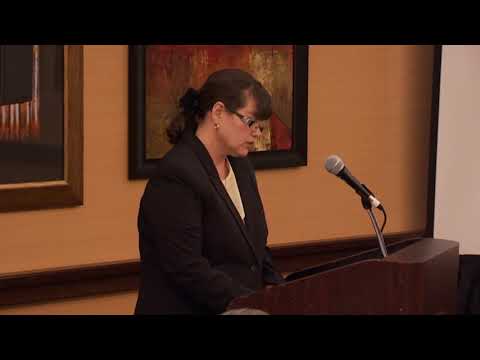
Caltrans staff briefed the Transportation Commission on Jan. 17, 2013, about changes to the Highway Safety Improvement Program (HSIP) under the federal MAP‑21 transportation law.
Janice Benton, Caltrans traffic safety program manager, outlined differences between the prior SAFETEA‑LU framework and MAP‑21. Benton said MAP‑21 increases program funding for the state roughly from about $130 million to $200 million for the year in question, preserves a set‑aside for rail‑highway grade crossings (about $16 million) and eliminates the separate high‑risk rural roads set‑aside by folding those concerns into HSIP while creating a performance‑based mechanism that may require set‑asides if performance worsens.
Why it matters: MAP‑21 requires a more strategic, data‑driven and performance‑based approach. HSIP funds will be eligible for a wider array of interventions, including non‑infrastructure projects such as enforcement and education, but those non‑infrastructure investments will require new methodologies to measure benefits.
Key points from the presentation - Funding and eligibility: Benton said Caltrans and local programs had typically split federal HSIP funds roughly equally (about $65 million each for state and local programs under the prior law) but MAP‑21 expands program size and broadens eligible activities to include non‑infrastructure projects (enforcement, education) and data systems work. - Performance measures and SHSP: MAP‑21 adds requirements for regular Strategic Highway Safety Plan (SHSP) updates, and mandates performance measures and target setting that will be used to tie HSIP funding to measurable outcomes. Benton said federal guidance is expected to shape the specifics of required measures. - Data challenges and non‑infrastructure measurement: Benton emphasized variability in data availability, accuracy and timeliness across agencies. She said methods to quantify benefits from non‑infrastructure strategies (for example, public‑education campaigns) are less developed than for infrastructure improvements and will need new performance measures and prioritization criteria.
Commission discussion Commissioners asked how the rural‑roads provisions would affect funding; Benton said folding the high‑risk rural road strategy into HSIP could reduce dedicated funds to rural areas but the SHSP retains a rural focus so those roads are not omitted from analysis.
Ending Caltrans staff recommended updating the state SHSP, developing performance measures and improving statewide data systems and methodologies so HSIP can support both infrastructure and non‑infrastructure safety projects under MAP‑21.