Get Full Government Meeting Transcripts, Videos, & Alerts Forever!
Get email alerts on the Tcif Tehachapi Project topic
No spam. Unsubscribe anytime.
Northern coalition weighs deprogramming Tehachapi TCIF project after environmental delays
Summary
The Northern California Trade Corridors Coalition told the California Transportation Commission on March 5 that a planned $54 million Tehachapi freight improvement project is not deliverable on its current schedule and scope because of environmental permitting delays and corridor overprogramming.
The Northern California Trade Corridors Coalition told the California Transportation Commission on March 5 that a planned $54 million Tehachapi rail improvement project faces environmental delays and funding shortfalls and that coalition members expect to recommend deprogramming the project from the current Trade Corridor Improvement Fund (TCIF) list.
Why it matters: The Tehachapi corridor is a major freight gateway for the Central Valley and a recurring priority in regional freight and rail planning. Removing the existing $54 million project could free corridor TCIF allocation for alternative projects, but coalition representatives said they intend to return in May with a replacement proposal — either a down-scoped Tehachapi segment or a different project — that fits available funding and is deliverable.
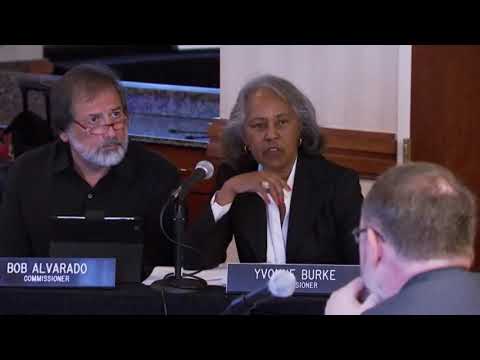
What coalition and department staff said: Kenneth Cowell of the Metropolitan Transportation Commission (representing the Northern coalition) told commissioners the Tehachapi project “has encountered environmental delays that will delay the environmental certification to November of 2013,” which would miss the commission’s allocation timeline. Cowell said the corridor is overprogrammed and only about $20–25 million in TCIF funds is likely to be available, so in its current $54 million form the project is not deliverable.
Caltrans staff and BNSF representatives outlined the environmental issues that created the delay. The project encountered federally protected species habitat (elderberry shrubs and the elderberry longhorned beetle), jurisdictional wetlands permitting that requires a U.S. Army Corps of Engineers 404 permit, and new considerations tied to the establishment of a nearby national monument. Those issues broadened the environmental review and added time and complexity. Caltrans said it was open to a proposal to downscope the project to segments that avoid the most difficult permitting challenges.
BNSF and local advocates urged patience and an orderly replacement process. Juan Acosta (representing BNSF and local partners) told the commission the corridor is a critical freight gateway and that downsizing to two engineered segments could eliminate the permitting impediments and “expedite and streamline the permitting process.” He said the coalition would return in May with a revised, deliverable candidate.
Commission staff recommendation: Department staff recommended a ministerial deprogramming of the existing $54 million project because it is not deliverable in the given scope and funding; they asked the coalition to submit a replacement project for the May meeting. Commissioners deferred final action at the March meeting and directed the coalition to return in May with a deliverable replacement or down-scoped alternative for consideration.
Next steps: The Northern coalition will work with BNSF and Caltrans to identify a smaller-scope project or alternate corridor investments that can be delivered with expected TCIF capacity, and will bring that forward to the commission in May for programming and allocation consideration.