Get Full Government Meeting Transcripts, Videos, & Alerts Forever!
Get email alerts on the Rulemaking Process topic
No spam. Unsubscribe anytime.
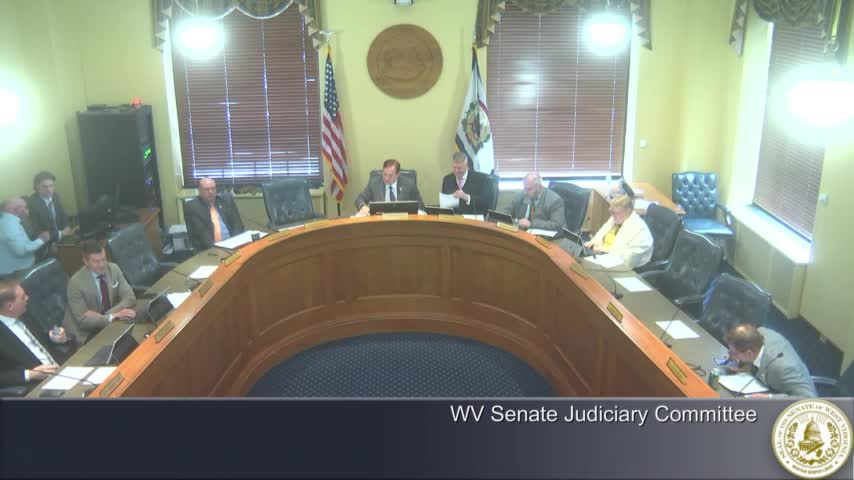
Committee staff briefs members on rulemaking review process
Summary
A committee staff member and Adaire Burgess, director of the Legislative Rule-Making Review Committee, gave new and returning senators a high-level briefing on the state rulemaking process, including timelines for public comment, agency-approved filings, and the legislature’s role in reviewing agency rules.
The committee received a brief orientation on the state rulemaking review process, with Adaire Burgess, director of the Legislative Rule-Making Review Committee, explaining notice, public comment and review steps to the committee.
Burgess told the panel the process begins with a notice of public comment — required only if the legislature has granted rulemaking authority by bill — and that notice periods can run 30 to 60 days. "The notice of public comment can be 30 days, but no greater than 60 days," Burgess said. She emphasized agencies must respond to public comments and may only make changes consistent with recommendations from those comments.
The briefing placed the committee’s role in context: after an agency files an "agency-approved" version in the state register, the Legislative Rule-Making Review Committee examines whether the rule stays within the agency’s statutory grant of authority and may propose modifications or amendments. Burgess said modifications are agency-agreed changes; amendments are committee changes the agency did not accept.
Committee staff added timing details for final filing and legislative action. A staff presenter summarized steps after committee review: the legislature must act on rule bundles; if both chambers do not approve a rule, the agency-approved version may still take effect, and agencies have 60 days after legislative action to final-file the rule in the state register. The staff member noted the committee’s recommendations are advisory to the full legislature and highlighted recent court decisions that limit the committee to recommending rather than imposing policy.
The briefing addressed how rules are presented to the committee by subject; the committee will review nine bundles in the current session. Burgess also noted that a committee cannot kill a rule simply by holding it indefinitely; both houses of the legislature must act on a bundled rule for it to fail to move forward.
The orientation closed with no questions; Burgess was excused and the committee proceeded to its first bundle item.