Get Full Government Meeting Transcripts, Videos, & Alerts Forever!
Get email alerts on the Occupational Therapy Licensing topic
No spam. Unsubscribe anytime.
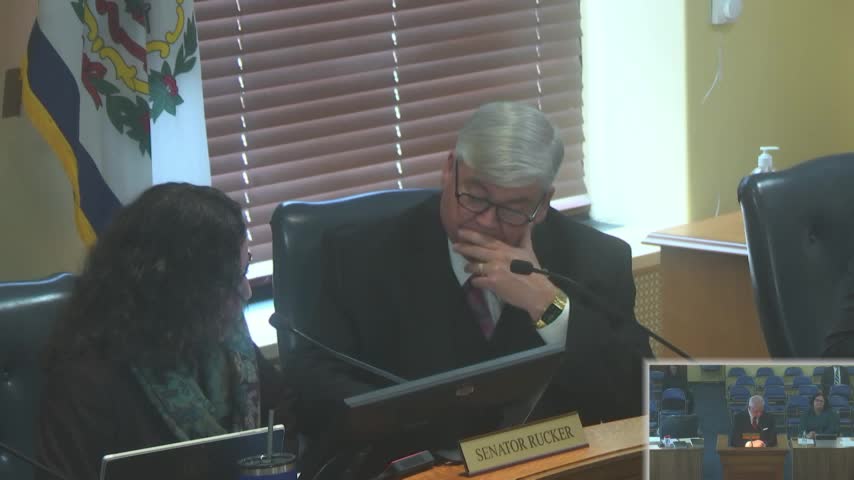
Committee agrees to occupational-therapy compact bill and repeals outdated special-license provision
Summary
The Senate Government Organization Committee agreed to a committee substitute for SB 462 to permit fingerprint-based background checks for occupational therapists seeking compact privileges and to repeal a duplicative statutory provision on a special license for voluntary service to indigents.
The Senate Government Organization Committee agreed to a committee substitute for Senate Bill 462 that would authorize the Board of Occupational Therapy to require criminal background checks for occupational therapists who seek compact privileges and, as drafted in the substitute, repeal an older statutory provision regarding a special license for occupational therapists who provide voluntary services to indigent persons.
Committee counsel told members the substitute is "virtually identical in intent and purpose" to the SLPA bill considered earlier but includes an additional repeal: it would repeal an older section of code described in the hearing as "thirty-twenty eight-fifteen" (noted in the transcript as 30-28-15) because that section duplicates a more current provision described as 30-28-8. Counsel also said the substitute removed four subsections (F, G, H and I) from the proposed new section because those provisions already appear in Article 1 of Chapter 30, which contains provisions that apply to multiple licensing boards, including a moral-turpitude standard.
Senators asked whether the requirement for fingerprinting and background checks would apply only to those who wish to participate in the compact; counsel confirmed that the language is intended to require checks only for compact privileges. Committee members also asked about the interplay with West Virginia’s rational-nexus standard for licensure denial; counsel said the rational-nexus standard governs state licensure but that compact requirements may be different and that compact participation does not negate the state's rational-nexus statute. Counsel and other senators noted that many compacts create a multistate database of licensees and that the background checks help populate that database.
After agreeing to the committee substitute language by voice vote, the vice chair moved that the substitute be reported to the full Senate with a recommendation that it pass; the committee approved the motion by voice vote and the chair announced "the ayes have it." No roll-call tally appears in the transcript.