Get Full Government Meeting Transcripts, Videos, & Alerts Forever!
Get email alerts on the Dnr Overview topic
No spam. Unsubscribe anytime.
DNR outlines park usage, fisheries, wildlife, staffing and outreach; committee members ask about licenses, officers and wolves
Summary
Deputy DNR Director Shannon Lott and staff gave the committee an overview of department programs — state parks, fisheries, wildlife, forest management, enforcement and education — and answered members’ questions on license revenue splits, conservation officer staffing, the recreation passport and wolf management.
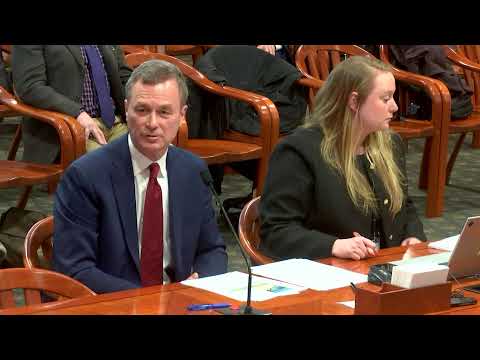
Deputy Director Shannon Lott and the Department of Natural Resources briefed the House Committee on Natural Resources and Tourism on the agency’s operations, resource management and public outreach, telling members that the department manages state parks, fisheries, wildlife, forests and enforcement and that usage has increased substantially since 2020.
Lott said the department employs about 1,800 permanent staff and hires roughly 1,200 seasonal workers each year. She told the committee Michigan manages 103 state parks (nearly 104, pending Flint State Park) that collectively draw about 36 million visitors annually. “Belle Isle has 4,600,000 visitors a year,” Lott said, citing the park as among the most visited state parks in the country.
On fisheries, Lott and fisheries chief Randy Claremont said Michigan’s freshwater resources are extensive — roughly 3,300 miles of Great Lakes shoreline, about 11,000 inland lakes and thousands of miles of rivers and streams — and that the department’s six fish hatcheries produce about 30,000,000 fish annually for stocking. Claremont said “about 55 to 60% of a fishing license sale comes back directly to the fish,” when members asked how license dollars are split between fisheries and wildlife.
Lott described wildlife and public lands management: roughly 200 state game and wildlife areas totaling about 450,000 acres and about 3.9 million acres of state forest. She said the department plants about 6,000,000 seedlings each year and that forest products support a multibillion-dollar industry and tens of thousands of jobs.
On public safety and enforcement, Lott said the department aims to have about 250 conservation officers in the field, but retirements and transfers mean staffing must be sustained with recurring academies. She described a recent conservation-officer academy with an initial class size of 22 that had 17 trainees remaining and a hybrid, shorter academy for transfers and local employees. Lott said recruitment improved after a recent pay increase and that applications rose to about 1,200 in the last cycle.
Committee members asked about outreach and recruitment for hunting and fishing; Lott described the Wildlife Council and marketing funded in part by license revenue that supports recruitment and education programs such as school salmon releases, teacher training and outdoor skills academies. Members also asked about wolves and the department’s authority if federal protections change; Lott said the department has completed two of three prerequisites for a state-managed wolf hunt (revising the state plan and awaiting federal delisting and tribal consultation before action) and said monitoring shows the UP population has met recovery goals.
Other items discussed included the recreation passport, which Lott said has a CPI escalator and supports park operations; the department is discussing with the Secretary of State whether an opt-out passport process is feasible. DNR officials offered to provide committee members a more detailed breakdown of license revenue splits and other data upon request.
The presentation was informational; the transcript records no committee policy votes on DNR actions during this meeting.