Get Full Government Meeting Transcripts, Videos, & Alerts Forever!
Get email alerts on the Immigration Policy topic
No spam. Unsubscribe anytime.
Medical students and local advocates urge council to expand ‘welcoming city’ policies for immigrants
Summary
Multiple speakers during the citizen comment period urged Roanoke City Council to strengthen local policies and services that build trust with immigrant communities, including municipal IDs, legal aid and language access; speakers framed the change as public‑health and public‑safety policy.
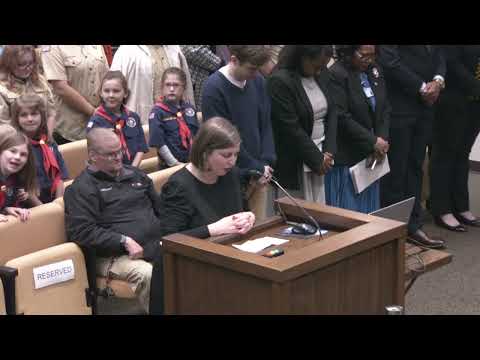
A group of medical students, health‑care volunteers and community advocates urged Roanoke City Council on Feb. 18 to expand local policies that foster trust with immigrant residents and reduce barriers to services.
Speakers described Roanoke as already having a strong immigrant presence and noted the city’s February 2024 certification as a welcoming city; they asked council to take additional, practical steps to ensure immigrant residents can access health care, report crime and enroll children in school without fear.
Blair Barton, a medical student and volunteer, said fear of deportation is already deterring immigrants from seeking health care and reporting crimes: “When immigrants feel safe, they’re also more likely to seek health care, report labor violations, and enroll their children in school, all of which contribute to a healthier, more stable community,” Barton said.
Other presenters proposed specific policy tools used in other jurisdictions: instituting a trust policy limiting city employees from asking about immigration status unless required by law; expanding pro‑bono legal services and “know your rights” education in partnership with nonprofit legal groups; and creating a municipal ID to allow residents who lack traditional identification to access city services. Presenters also urged increased bilingual support across city departments.
Speakers provided local and national data to support their requests. Miyushi Ambicker described volunteer experiences at Blue Ridge Literacy and emphasized immigrants’ economic contributions; Austin Fitzgerald cited research showing immigrant households’ economic activity in Roanoke and recommended models used by Greensboro and Richmond for municipal ID programs.
Council did not take immediate action on the requests during the meeting. Several council members thanked speakers and said staff can evaluate options and potential legal constraints. The issues raised intersect with city goals in the Roanoke City Plan 2040 equity subsection and touch on public‑health, education and public‑safety objectives.
What’s next: council members and staff may take the citizen requests under advisement; implementation steps such as municipal ID programs, trust policies or expanded language access would require further staff analysis and, where applicable, council direction or budgetary action.