Get Full Government Meeting Transcripts, Videos, & Alerts Forever!
Get email alerts on the City Budget topic
No spam. Unsubscribe anytime.
Roanoke City Manager warns FY26 revenue wont cover rising costs; employee pay prioritized
Summary
City Manager Turner and finance staff told council that FY26 incremental revenue of about $23.2 million will not be sufficient to meet contractual and operating increases. They urged prioritizing employee compensation, school funding and capital maintenance.
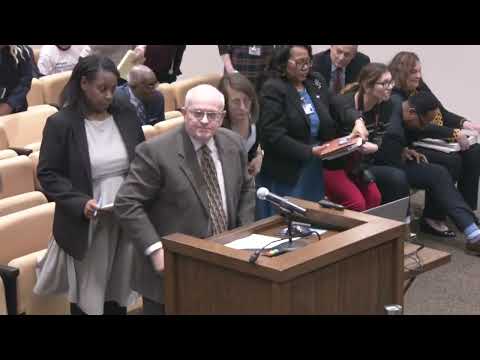
City Manager Turner and Roanoke finance staff told City Council on Feb. 18 that projected incremental revenue for fiscal year 2026 will not fully cover expected expenditure increases, and they urged that employee compensation be a top priority in the budget process.
Turner presented an overview of FY26 revenue and the citys principal expenditure pressures: a roughly $23.2 million estimate of incremental revenue; a current policy allocation of about $6.7 million to Roanoke City Public Schools (staff said the schools have been asked to provide a budget at FY25 funding levels); approximately $3.3 million in state-driven social-services match funds that must be used for specified services; and other contractual and cost increases that must be carried forward into FY26.
Key expenditure items and constraints highlighted by staff
- Employee compensation: Turner said the city has about 1,800 full-time equivalent positions and identified roughly 234 employees paid below a living wage ($42,000) and 32 employees making less than $32,000. Staff recommended at minimum a 3% cost-of-living increase across the workforce and step increases for public safety.
- Health insurance and benefits: City staff projected a roughly 10% increase in employee health-insurance costs, an estimated $2 million impact.
- Salary base increases: Turner said the current salary base has increased by about $5.1 million above what was adopted in the FY25 budget and that vacancy hiring practices mean new hires are coming in above minimum budgeted ranges.
- Overtime and temporary wages: The city budgeted $1.8 million for overtime in FY24 but expended about $6.3 million; projections for the current year reach $7.6 million. The temporary-pay budget has also risen (budgeted $2.5 million vs. $2.9 million spent last year and $3.3 million projected this year).
- Capital maintenance backlog: Turner emphasized deferred maintenance is unsustainable; she cited $4.3 million needed for elevators as 1 example. Staff noted additional capital-maintenance amounts are still being quantified.
Finance director Margaret Lindsay provided revenue context and timing notes: fiscal 2025 real-estate tax receipts through January were roughly $66 million year-to-date, with $61 million current installments. Sales-tax remittances operate on a two-month lag and staff said they are watching for signs of consumer spending changes. Lindsay also noted that use-of-money-and-property revenue (interest income) was performing above the conservative budget estimate for FY25.
Next steps and public engagement
Turner said the incremental revenue projection is not sufficient to absorb the listed expenditure demands and described a multi-year, multi-pronged approach staff will use to address compensation and capital maintenance. The council was told the next budget update will be March 3 at a 9 a.m. work session, when staff will present capital-improvement program details, debt service and revenue strategies. Turner and Lindsay said the city plans community outreach on the budget after a proposed budget is released.
No formal vote was required for the briefing; staff requested direction on prioritization and said they will return with specific budget proposals.