Get Full Government Meeting Transcripts, Videos, & Alerts Forever!
Get email alerts on the Active Transportation topic
No spam. Unsubscribe anytime.
Cannon Falls council adopts Active Transportation Plan to guide walking, biking projects
Summary
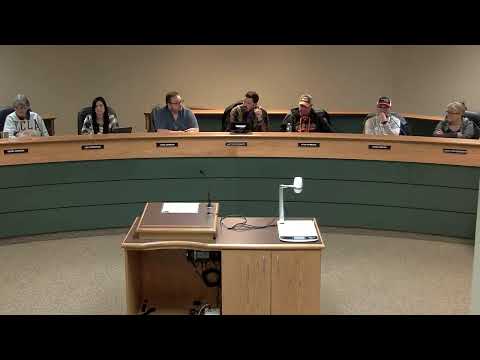
The Cannon Falls City Council on Feb. 18 adopted Resolution 2805, the Active Transportation Plan, enabling the city to use the plan as a foundation for grant applications and future walking- and biking-related infrastructure projects. The decision passed 4–1 with one abstention.
The Cannon Falls City Council adopted Resolution 2805, the Active Transportation Plan, at its Feb. 18 meeting, approving a framework the city can use to pursue grants and to plan future walking and biking projects. The motion passed 4–1 with one abstention.
City staff member Laura summarized the plan, saying the work over 2024 paired community workshops and walk/bike audits with an interactive map and public survey to identify barriers and opportunities for safe, connected routes. "What I'm hoping from you tonight is that you will approve this plan so that we can adopt it," Laura said during her presentation.
The plan documents short-, medium- and long-term recommendations for sidewalks, crossings and wayfinding aimed at improving safety for residents and visitor cyclists who use the Cannon Valley Trail and the Mill Towns State Trail. Laura told the council the outreach included students and residents who helped identify downtown connections, the school and park routes, and the south end of town as areas to prioritize.
The presentation highlighted several findings from the public input and surveys: staff reported that none of the survey respondents said they bike to commute, 3.5% said they walk to commute and 1.1% reported using transit. The plan also identifies what staff described as only "0.25" of what was identified in the plan as existing dedicated bike lanes in town (the transcript did not specify the unit or measurement for that figure).
Laura said the planning work included photos and an audit that showed many trail users arriving downtown at the fire hall or trailhead without clear wayfinding to downtown businesses. She and staff said the plan was intended to help the city prioritize low-cost demonstration projects (temporary striping or stanchions) and to be used when applying for state or federal infrastructure funding.
Council members who spoke during the discussion raised practical concerns. One councilmember cautioned that adding painted bike lanes and median features increases ongoing maintenance and could complicate snowplowing. Another worried the city should avoid adding visual features that would change the town's character, saying he did not want Cannon Falls to "look like Northfield" with bike lanes on side streets; other councilmembers and staff replied that the plan’s elements are ideas and not a checklist of required projects.
Councilmembers also discussed coordination with Minnesota Department of Transportation (MnDOT) projects and recent or planned ADA ramp and curb work, noting some proposed short-term improvements might need to be incorporated into scheduled mill-and-overlay projects to be feasible.
During the meeting staff said budgeted funds remain for temporary demonstration projects and that the city hopes to test at least some measures this spring. The plan’s adoption will allow staff to cite the plan when seeking design assistance or grant funding.
Votes at a glance
- Resolution 2805 — Adopt Active Transportation Plan: approved (vote recorded as 4 yes, 1 no, 1 abstain).
- Grant application — Wayfinding signage (moved from the consent agenda to council business for discussion): approved (voice vote recorded in transcript as 5 yes, 1 no). The council discussed that the grant would cover most sign materials and that the city’s in-kind contribution would be labor for installation; council members asked staff to check alternate vendors/quotes.
- Consent agenda (items A–H including minutes, St. Olaf internship hire, Resolution 2804 authorizing a utility adjustment agreement with MnDOT, 2025 street maintenance projects, and equipment purchase): approved as presented; the MnDOT-related item drew an abstention from the councilmember who identified themself as a MnDOT employee. (Individual tallies for the full consent vote were not read aloud in the transcript and are not specified.)
Background and next steps
Laurapresented the plan as a tool to give the city a stronger application posture for grants and to document community engagement. Staff said photographic documentation and a public mapping tool were used during the planning process. The city still must evaluate individual project costs and vote before committing budget to any specific construction or maintenance work. Staff said temporary demonstration projects previously delayed by coordination issues with districts are planned to be reattempted this spring, using remaining project funds to test treatments before applying for larger grants.
The council’s adoption of the plan does not, by itself, authorize construction; any capital projects identified in the plan will require separate budget approvals and, when applicable, coordination with MnDOT and adjacent property owners.