Get Full Government Meeting Transcripts, Videos, & Alerts Forever!
Get email alerts on the Public Finance topic
No spam. Unsubscribe anytime.
Tinley Park staff tell board a property-tax rebate would be administratively costly and fiscally neutral
Summary
At the Feb. 18 meeting Interim Finance Director Hannah told trustees the village does not have a property-tax rebate program and that creating one would require raising the levy first, add administrative staff costs, and likely provide little net benefit to residents.
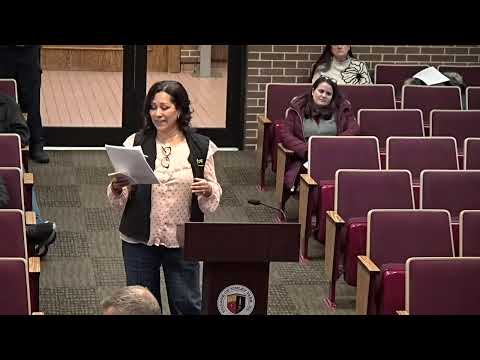
Interim Finance Director Hannah told the Village of Tinley Park Board at its Feb. 18 meeting that the village does not operate a property-tax rebate program and that establishing one would be administratively complex and fiscally counterproductive.
Hannah said the village currently does not have any rebate programs and explained that a property-tax rebate functions by first increasing the tax levy to collect money and then returning it later; that process, she said, effectively asks residents to front a loan to government and would require significant administrative work to process roughly 23,000 household accounts. "We do not. The village currently does not have any kind of rebate programs in place," Hannah said. She added that a hypothetical rebate program would likely require hiring additional finance staff and that associated personnel costs (salary, pension, insurance) would reduce or eliminate any net return to residents.
Why it matters: Trustees and staff said the village has taken a conservative fiscal approach in recent years, including maintaining a 0% tax-levy increase for multiple years. Hannah and other speakers noted many revenue streams—motor fuel tax, video-gaming revenue, amusement tax and cannabis revenue—are already earmarked for specific programs such as pavement management and tourism/marketing. Those dedicated uses limit funds available to create a new rebate program without new or reallocated revenue.
Discussion highlights: Hannah explained the motor fuel tax supports the annual pavement management program (about $4.5 million) and that other restricted revenue streams already fund recurring programs. Trustees on the dais agreed that relying on volatile revenue sources such as gaming or cannabis receipts to fund a permanent rebate would be imprudent because those streams can fluctuate.
Outcome: The board received the explanation; no motion to create a rebate program was offered. Trustees directed staff to update public-facing materials: one trustee asked staff to work with the village attorney to revise or re-post language on the village website explaining fiscal policy and the absence of rebate programs so residents asking about campaign promises get a single, staff-reviewed explanation.
Ending: For now the village’s fiscal policy remains unchanged: staff will continue to earmark restricted revenues for existing programs and will post explanatory information on the village website.