Get Full Government Meeting Transcripts, Videos, & Alerts Forever!
Get email alerts on the Homelessness topic
No spam. Unsubscribe anytime.
Winter shelter update: centers at capacity; council warned of state bills that could affect mitigation funding
Summary
Homeless resource centers and overflow sites remain at capacity, staff said. Councilors asked staff to provide counts of outreach interactions. Separately, several state bills under consideration would change mitigation and enforcement rules and could affect funding for local responses.
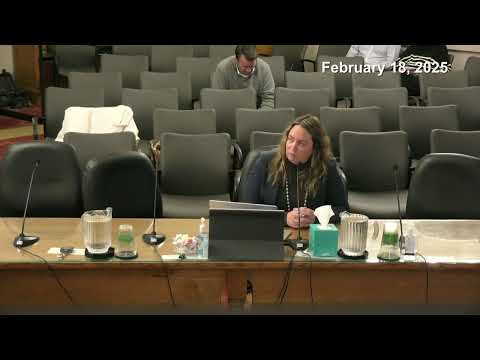
At the Feb. 18 work session the Salt Lake City Council received a short update on winter shelter operations and winter overflow sites, and council members discussed pending state legislation that could affect mitigation funding and response authority.
Shelter operations and outreach Andrew Johnson, identified at the meeting as the city’s director of homeless policy and outreach, told the council winter overflow facilities and the city’s homeless resource centers “are still at capacity” and that “we still need more beds.” Johnson said inclement weather and Code Blue activations have slowed some mitigation activities in recent weeks and that the Homeless Engagement and Response Team (HEART) has been conducting public outreach, including work near the airport and along parts of the Jordan River corridor.
Council members asked staff to provide more regular, quantified reporting about outreach activity, including how many interactions the rapid intervention team and impact‑mitigation teams have completed in recent weeks or months so the council and the public can better see staff workload and outcomes.
State legislation that could affect local response and funding Council staff and the mayor’s legislative team briefed council members on several bills under consideration at the Utah Legislature that could influence how municipalities respond to unsheltered encampments and how mitigation funding is administered. - HB 505 (Homeless services amendments): A bill reported to streamline annual mitigation reporting, create a county winter response plan and help with coordination for street outreach. The measure also creates a statewide camping definition to assist camp abatements on state‑owned land. - HB 329 (Homeless services amendments): A more extensive bill with multiple revisions under discussion; among other provisions the draft has created a reunification program in the homeless housing account, prioritized “innovative” unsheltered strategies, and included a provision that would condition some mitigation funding on agreements with the Department of Public Safety; the bill has language that would make certain shelter rules stricter and attaches penalties for violating a shelter’s no‑drugs policy in some versions. - HB 465 (Law enforcement agency amendments): the council’s legislative team said this bill would require cities receiving Tier‑1 mitigation funding to enter an agreement with the Department of Public Safety by July 1 or risk having mitigation funds redirected; it would also authorize a statewide rapid‑response team that could be deployed to cities across the state.
Council members sought legal and operational clarity because the bills could have fiscal impacts (withholding of mitigation or road funds if compliance conditions are not met) and because some proposals would change how encampments on state land are handled. Council requested staff track these bills and report back on probable impacts and options for local compliance or negotiated amendments.
No formal action was taken on shelter operations at the Feb. 18 work session; staff agreed to provide requested outreach and activity counts to the council.
Speakers quoted or paraphrased are Andrew Johnson (homeless policy staff) and members of the council and legislative affairs staff during the Feb. 18 work session.