Get Full Government Meeting Transcripts, Videos, & Alerts Forever!
Get email alerts on the Economic Development Land Use topic
No spam. Unsubscribe anytime.
Developer pitches $170 million 'Fox Lagoon' crystal lagoon for Lake City; staff warns city may need spray‑field land for wastewater
Summary
A developer seeking a 99‑year lease of city‑owned spray field property proposed an eight‑acre crystal lagoon and resort complex to bring tourism and revenue to Lake City; city staff told council the same parcel is earmarked for effluent disposal and recommended caution.
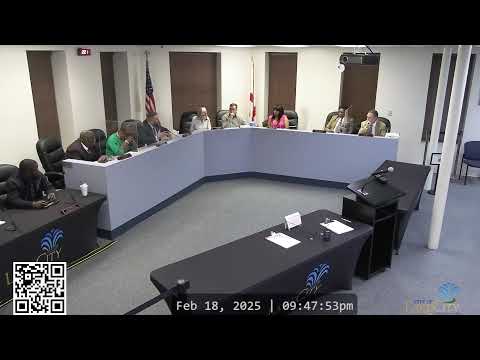
A private development team asked Lake City council members on Feb. 18 to begin formal talks about leasing city‑owned spray fields for a proposed $170 million tourism and recreation project called Fox Lagoon, while city staff told the council the parcel may be needed for future wastewater disposal and urged caution.
Developer pitch Cameron Myers, representing Fox Lagoon, showed a promotional video and told the council the proposal centers on an 8‑acre crystal lagoon and upscale resort components, plus a high‑end RV resort and event facilities. Myers said the project would be financed as a public‑private partnership and that his team seeks a long‑term lease (he said Fox Lagoon would lease roughly 300 acres and proposed a 99‑year lease) on the city’s underused spray‑field property off Brantford Highway. Myers said the developer’s financing partner has large capital resources and that the project would create jobs, new tax revenue and direct revenue to the city under a P3 financing lease structure.
Staff concerns and technical constraints City staff and public works officials responded that the city purchased the spray‑field property to provide a location for effluent or biosolids disposal tied to the wastewater system; the parcel was identified for water and wastewater use and staff said the city expects to need additional disposal capacity as flows increase. Public works staff explained the state’s current preferences around lined wetlands and other engineered disposal methods and said the old wetland on the city’s property is unlined; they said MidTower’s planned engineering study (approved separately by the council) will assess the soils, how much land is required for effluent disposal, and the technical feasibility of various options.
Why it matters: The developer’s requested lease would occupy land the city says could be needed to expand disposal capacity as flows near the permitted limit. Council members and staff noted that leasing or selling city‑owned land must be weighed against utility needs and regulatory requirements for wastewater disposal.
Public exchange and next steps Myers said he had discussed the site with City Manager Don Rosenthal and several council members and asked the council to begin formal engagement and a site visit with his operations team; he said the developer’s marketing had already generated local interest online. Council members asked for details on the acreage needed, whether the city’s long‑term plans for water and wastewater were affected, and who would pay environmental and permitting costs. Public works staff said soil testing and engineering will determine how many acres are required for disposal and urged the council not to make an immediate decision while the MidTower study is under way.
No lease or formal agreement was approved during the meeting. Developers said they would provide more detailed plans and financing materials and invited council and staff to tour existing Crystal Lagoon projects. Staff reiterated the city’s priority to preserve land needed for utilities unless a swap or clearly superior city‑benefit arrangement is negotiated and approved by the council.