Get Full Government Meeting Transcripts, Videos, & Alerts Forever!
Get email alerts on the Budget Audit topic
No spam. Unsubscribe anytime.
Perkiomen Valley presents unqualified audit; budget shows a multi‑year shortfall, board to consider reserve uses
Summary
District auditor issued an unqualified opinion; projected 2025‑26 general fund shows a shortfall that administration proposes to cover partly with reserves and debt‑service fund balance; board and finance committee flagged longer‑term fiscal pressures and asked for continued cost reductions and revenue analysis.
Perkiomen Valley School District officials presented a finalized audit and an updated draft budget projection showing an unqualified auditors’ opinion for the most recent fiscal year and a projected shortfall for 2025–26 that the finance committee said it will partially address with fund balance uses and expense work.
Why it matters: An unqualified (clean) audit affirms that the district’s financial statements are materially correct under GAAP, but the five‑year outlook discussed by the finance committee shows rising expenditures that outpace projected revenues and could require additional measures in the coming years.
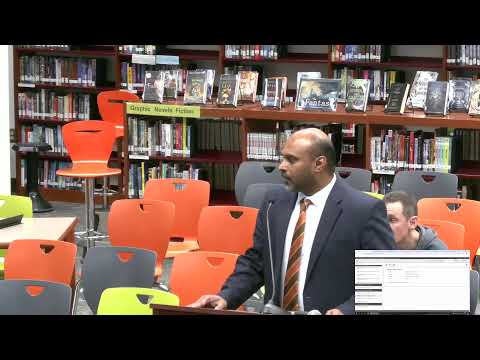
Audit and immediate budget actions: Finance committee chair Mr. Weaver said the district received an unqualified opinion and no single‑audit findings; food service programs met expenditure thresholds tested. The committee recommended two uses of fund balances to lower the near‑term tax increase projection: a $250,000 use of reserve funds and a $573,003.85 application of debt‑service fund balance. Those actions were presented as recommendations to the board and would lower the draft real‑estate tax increase shown in the budget materials from 6.22% to 5.21%.
Projections and risks: The committee presented a projected general fund shortfall and said expenditure growth (including salaries, benefits and technology/leasing) outpaces projected revenue growth. Committee members and other board members raised longer‑term concerns, noting that projected expenditures in five years could outstrip likely revenues unless the district reduces costs, finds new revenues, or considers referenda. The committee noted several controllable and partially controllable levers (procurement, transportation efficiencies, consortium health‑insurance negotiations) and said it will continue pursuing savings, including a further review from Bucksmont (the health care consortium) and vendor negotiations on technology leasing.
Next steps and direction: The finance committee asked administration and staff to continue detailed budget work, explore additional savings and provide updated revenue assumptions after the state budget is announced. The committee also said it will publish the final audited financial statements and that a final budget will be prepared for board action following continued review and any state aid changes.
Ending: The audit and budget discussion will return to the board with more detailed revenue assumptions and any negotiated savings; no budget resolution or tax rate was adopted at this meeting.