Get Full Government Meeting Transcripts, Videos, & Alerts Forever!
Get email alerts on the Grade Realignment topic
No spam. Unsubscribe anytime.
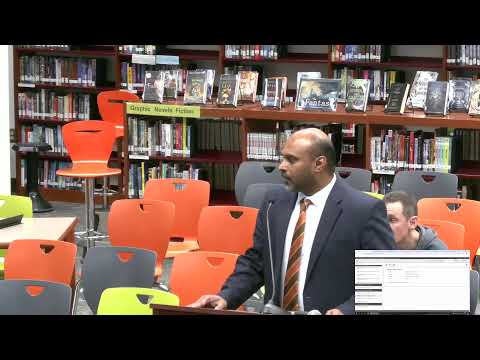
Perkiomen Valley board discusses plan to reconfigure grades into 5–6 and 7–8 centers; no vote set
Summary
Perkiomen Valley School District administrators proposed moving fifth and sixth graders to a single West campus and seventh and eighth graders to an East campus to relieve overcrowding and concentrate academic supports; the board requested more data and scheduled further community engagement rather than voting.
Perkiomen Valley School District administrators presented a proposal to realign grade groupings that would place fifth and sixth graders together at a West campus and seventh and eighth graders together at an East campus, a change aimed at addressing overcrowding and aligning instruction across grade bands.
Why it matters: The realignment is presented as a facilities and programmatic response to uneven enrollment and to create concentrated opportunities for targeted instruction, electives and extracurricular offerings. Board members repeatedly said the change could affect transportation, students’ social and emotional continuity and extracurricular capacity, and several asked for more data and community input before any decision.
The proposal and options: Superintendent Dr. Russell and administrators described three broad options that have been studied in prior years. Administration recommended what it called the “5–6 center / 7–8 center” model (option 1), citing multi‑year planning and staffing work. Dr. Russell said administrators and principals “think this is the idea that is best suited for the school district moving forward,” and noted cabinet and principal-level support. The presentation tied the recommendation to the district’s MTSS (multi‑tiered system of supports) framework and to efforts to strengthen math, English learner, and special‑education supports at secondary levels.
Support and evidence cited: Supporters on the board cited examples of other districts, including Great Valley, that changed middle‑grade configurations and saw rising profile and rankings over several years. Administration pointed to past resource requests (special‑education staff, BCBAs, MTSS facilitators and secondary reading/math screeners) and the district’s multi‑year data reviews as rationale for concentrating services in new grade centers.
Concerns raised: Several board members and community speakers pressed administrators for clearer evidence that the model will move student achievement “needle.” Concerns included: - Transportation: Board members and administrators agreed transportation is the principal logistic challenge. One administrator estimated a bus trip from parts of Skippack to West could be “10.75 miles” and noted traffic differences across routes. The district said it is working with STA on routing and will explore a three‑tiered bell schedule to mitigate impacts. - Social‑emotional continuity: Multiple members, including Dr. Campbell, cautioned that students benefit from longer spans in a single building; several asked for data or studies showing a measurable benefit from the proposed model versus alternatives (for example, a primary/intermediate approach or a 5–8 building with internal separation). - Equity and extracurriculars: Board members worried smaller practice and facility capacity at some buildings could limit access to athletics and music for some students; administrators said they will study how to preserve program access and noted existing shared arrangements (for example, some wrestling practices already rotate between buildings).
Next steps and direction: The board did not take a final vote. Administration said it will: - Hold a second community engagement meeting on Feb. 27 to present details and gather feedback. - Provide more granular transportation modelling and proposed bell‑time scenarios, including the feasibility of a three‑tiered bus schedule. - Provide detailed comparisons of the other options presented (including option 2 — primary/intermediate centers — and a 5–8 building variant) and more data on short‑ and long‑term enrollment forecasts. - Survey staff and consider a community survey if the board requests it; administration said it will share staff survey results with the board first.
Comments that reflect the range of views included board member statements backing the plan as a way to concentrate curricular and extracurricular offerings, and other members urging caution and more study before formal action. The board repeatedly emphasized this is an ongoing discussion with additional community meetings and follow‑up analyses planned.
Ending: The realignment discussion will continue; administration is scheduled to return with more detailed information, transportation modelling and additional options ahead of further community engagement and a future board decision.