Get Full Government Meeting Transcripts, Videos, & Alerts Forever!
Get email alerts on the Distributed Energy topic
No spam. Unsubscribe anytime.
Committee advances bill to allow small "plug-and-play" solar panels pending safety standards
Summary
The committee unanimously forwarded House Bill 340, which would permit small consumer 'plug-and-play' solar panels of up to 1,200 watts in Utah once safety certification and National Electrical Code guidance are in place.
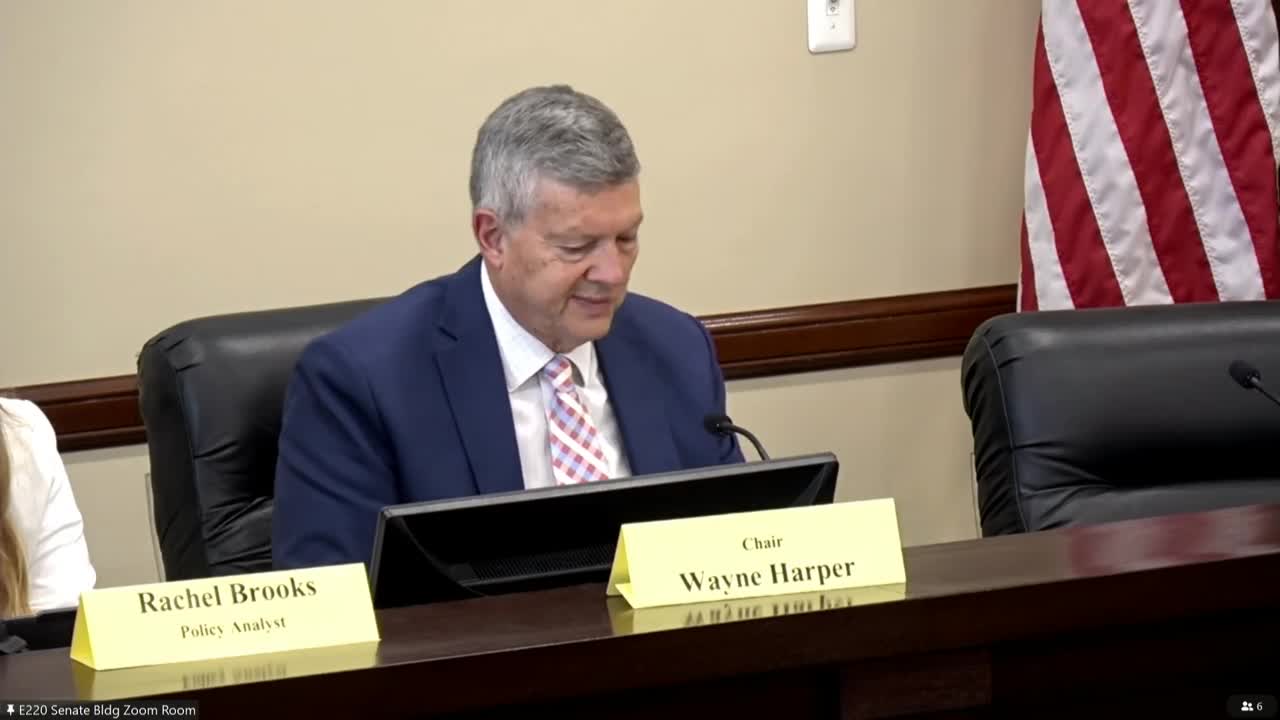
The Senate Transportation, Public Utilities, Energy and Technology Committee unanimously moved House Bill 340, the solar power amendments, to the Senate floor with a favorable recommendation.
Representative Ward told the committee the measure would remove a Utah code prohibition that currently prevents consumers from buying and using small, self-contained solar panels that plug into a home's electrical system. "In Europe...you can buy a solar panel, bring it home, and plug it in," Ward said, arguing the bill is a step toward permitting small-scale consumer generation in Utah.
The bill would allow consumer panels up to 1,200 watts but only after two prerequisites are met: a certifying laboratory (for example, Underwriters Laboratories) must certify the product as safe, and relevant guidance or acknowledgement must be included in the National Electrical Code to define required cutoffs and safety features. Representative Ward emphasized the bill includes those safeguards and that Rocky Mountain Power had stated a neutral position.
The presenter described typical panels as about 600 watts with built-in inverters and safety cutoffs that prevent backfeeding when household power is shut off. The bill also specifies that utilities would not be liable for malfunctions and that the measure does not require utilities to compensate homeowners if a small installation were to cause a meter to run backwards.
Senator Milner moved the bill to the floor; the committee voted unanimously to advance the first substitute. No fiscal impacts or effective-date language were specified at the hearing.