Get Full Government Meeting Transcripts, Videos, & Alerts Forever!
Get email alerts on the Public Health Vaccines topic
No spam. Unsubscribe anytime.
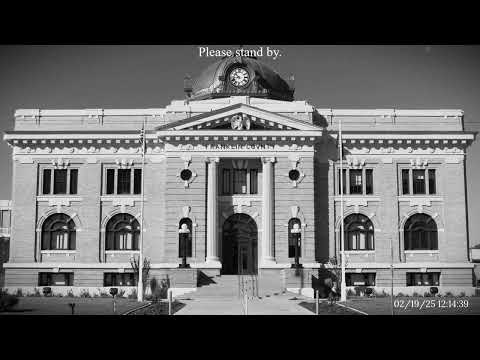
Franklin County commissioners adopt resolution advising against use of genetic biologic vaccine platform technology
Summary
The Franklin County Board of Commissioners on Feb. 19 passed Resolution 2025-076 after a public presentation that featured clinicians, researchers and people who said they were injured after COVID-19 vaccination. The resolution is advisory and passed unanimously.
The Franklin County Board of Commissioners passed Resolution 2025-076 on Feb. 19, advising against the use of “genetic biologic vaccine platform technology” for children and adults in the county.
The measure followed a public presentation that included clinicians, researchers and people who said they had been injured after COVID-19 vaccination. Commissioners voted unanimously to approve the resolution; the record shows three aye votes and no dissent.
Why it matters: County commissioners said the vote affirms the board’s position opposing mandates and protecting individual medical choice at the local level. Presenters asked the commissioners to adopt stronger language opposing mandates and to press state and federal officials for greater transparency about vaccine risks.
Presenters and main claims - Laura Demeray, who opened the hour-long roster of speakers, urged commissioners to consider the evidence she presented and said, “All we’re trying to do is give everyone the information so you can make a good informed decision.” - Dr. Ryan Cole, an anatomic and clinical pathologist, told the board he would “recommend that nobody ever takes another genetic shot” and said the county should act to protect patients. He described findings from his laboratory work showing spike-protein deposits in multiple tissues and called for removal of what he termed “genetic injections.” - Dr. Peter McCullough, identified in his remarks as an internist and cardiologist, said his clinical practice included patients with heart damage and other problems he associated with vaccination and recommended that messenger-RNA products be restricted to research protocols. - Brianne Dressen, who described herself as injured in a vaccine clinical trial and a co-founder of React19, described persistent neurologic symptoms and said NIH researchers had examined a cohort of injured people. - Dr. Kimberly Biss, an obstetrician–gynecologist in private practice, said she had observed increases in miscarriages and other reproductive and gynecologic issues in her practice and urged that the products “never have been provided to pregnant women.” - Dr. Jancy Lindsey, a toxicologist with a Ph.D., and Nicholas Holcher, an epidemiologist with the McCullough Foundation, gave technical testimony about biodistribution, DNA contamination and potential long-term risks; Douglas Cameron and other individuals also gave personal injury testimony.
Speakers repeatedly framed their remarks as appeals for transparency, prohibition of mandates and legal accountability. Commissioners asked clarifying questions about the scope of the resolution and whether it should explicitly bar mandates or be reworded to strengthen that point; one commissioner said the present draft did not go far enough on the question of mandates.
What the resolution does: The board added the matter to the regular agenda earlier in the meeting and adopted Resolution 2025-076 as presented. The text added to the agenda described the item as “Franklin County Of Washington State Resolution to Advise Against the Use of Genetic Biologic Vaccine Platform Technology on the Children and Adults.” The resolution, as adopted, is an advisory county statement; it does not create a local criminal sanction or alter state or federal law.
Votes and process: After public testimony and commissioner discussion, a motion to approve the resolution carried unanimously. Commissioners also debated whether to strengthen language on mandates; a commissioner said the board could amend or revisit the text later but preferred to pass the resolution at this meeting to keep momentum.
Context and next steps: The presentation included multiple outside speakers who said they would provide documentation and peer‑reviewed studies to commissioners. Commissioners said they expect materials to be submitted to the county clerk’s office and discussed potential regional and state coordination if other counties consider similar resolutions. No additional county policy changes or regulatory actions were recorded at the meeting beyond the advisory resolution.
Ending: The board proceeded to other business after the vote; the resolution will be part of the county record and was publicly read into the minutes.