Get Full Government Meeting Transcripts, Videos, & Alerts Forever!
Get email alerts on the Securities Exemptions topic
No spam. Unsubscribe anytime.
Committee advances Invest Arkansas Exemption Act to expand startup investment caps
Summary
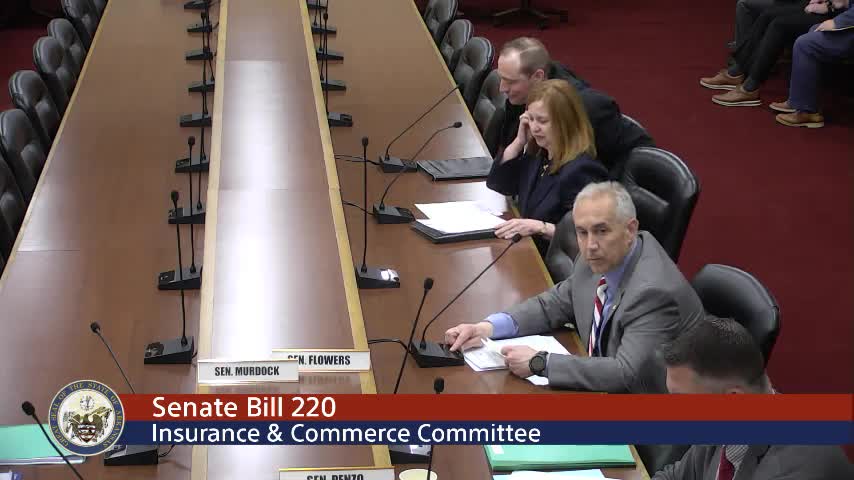
Senate Bill 220, the Invest Arkansas Exemption Act, would expand a securities offering exemption to allow larger offerings by Arkansas startups and raise the per‑investor maximum for nonaccredited investors; the Insurance & Commerce Committee approved the bill by voice vote.
Senate Bill 220, described by sponsors as the Invest Arkansas Exemption Act, would widen a state exemption for securities offerings to allow Arkansas-based startups to raise more capital and to increase how much a single nonaccredited investor may invest.
Campbell McLaren, deputy commissioner of the Arkansas Securities Department, joined Senator Boyd to present the agency-sponsored bill. “This is an agency bill which seeks to expand exemptions for securities offerings for Arkansas based startups,” McLaren said.
Deputy commissioners told the committee the bill raises the total offering cap in the exemption from $1,000,000 to $10,000,000 and increases the maximum a single nonaccredited investor may invest from $5,000 to $100,000. The stated purpose is to lower barriers and reduce regulatory burdens to spur in‑state investment and business formation. The department confirmed the changes are aimed at private placements for private businesses and would not create public offerings.
Senators asked clarifying questions about the scope and fiscal impact. Presenters said the proposal has no fiscal impact on the state and is limited to private securities offerings under state exemption rules. No registered lobbyists or public commenters signed up to speak for or against the bill during committee testimony.
Senator Boyd closed the presentation by characterizing the bill as a tool to “expand Arkansas businesses and increase investment in Arkansas.” The committee voted to give Senate Bill 220 a do-pass recommendation by voice vote; the transcript records the voice vote and the chairman’s statement that the bill had passed, but no roll-call tally was recorded in the transcript.
The bill will proceed with the committee’s recommendation to the next legislative step.