Get Full Government Meeting Transcripts, Videos, & Alerts Forever!
Get email alerts on the Pollinator Habitat Program topic
No spam. Unsubscribe anytime.
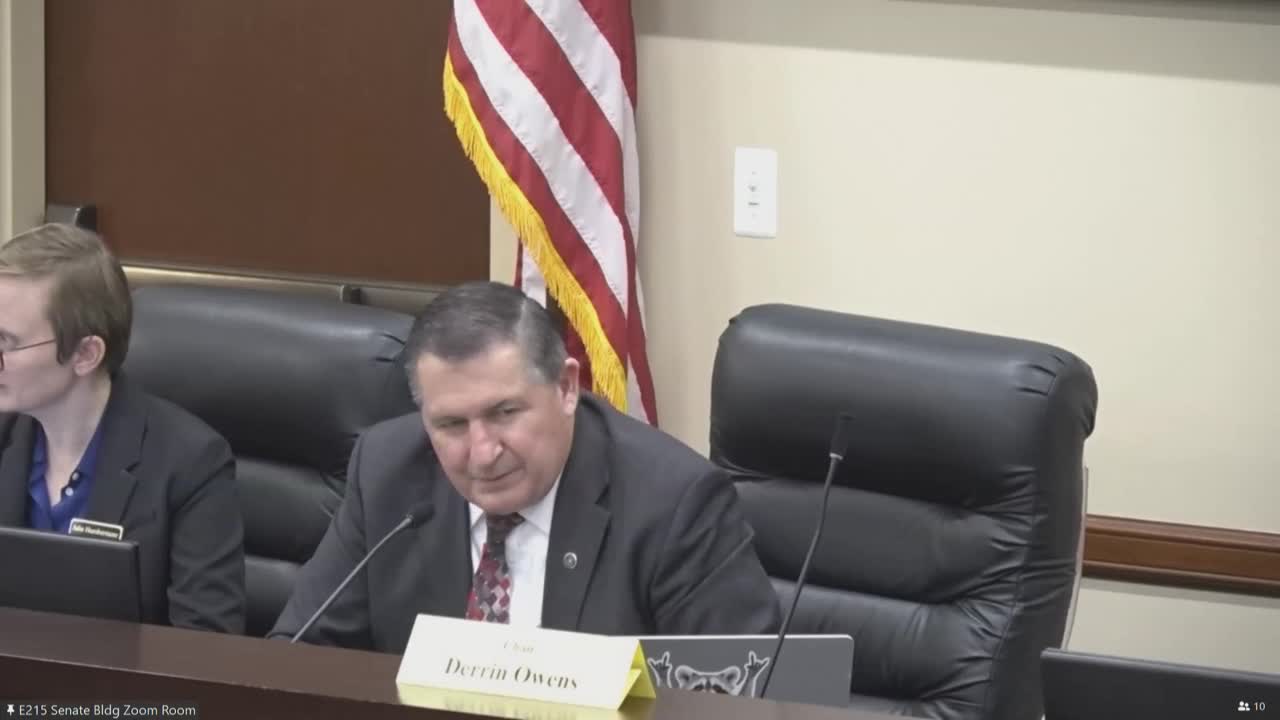
Senate committee backs making Utah pollinator habitat program permanent, raising cost‑share
Summary
House Bill 251 would remove the sunset from the pollinator pilot program, make it permanent, raise the cost‑share from 25% to 75%, and remove limits on funding for flowering seeds and plants; supporters cited water savings and volunteer match.
The Utah Senate Natural Resources, Agriculture and Environment Standing Committee favorably recommended House Bill 251, which would convert the state’s pollinator pilot program to a permanent pollinator habitat program, increase the program cost‑share to 75 percent and lift limits on funding for seed and plant purchases.
Jim Bocat, director of the conservation division at the Utah Department of Agriculture and Food, described the pilot program (created in 2021) and presented participation and conservation figures. “Since 2021, we've had 679 individuals that have utilized the program to put pollinator habitat on their property,” Bocat told the committee. He said the program has distributed roughly 31,000 native plants and that landowners contribute about four dollars for every program dollar (a roughly 4:1 match). Bocat also told the committee the program has conserved about 109 acre‑feet of water annually by converting roughly 40 acres of Kentucky bluegrass lawns to native plantings.
Nut Graf: Supporters said the program provides low‑water native habitat that benefits pollinators including monarchs, reduces water use and leverages substantial volunteer and private match; they argued making the program permanent would enable long‑term planning for pollinator habitat statewide.
Testimony from Rocky Mountain Power and nonprofit Sageland Collaborative described on‑the‑ground benefits and community engagement. Rocky Mountain Power’s principal scientist, Eve Davies, said the company has been a program partner and supports efforts to avoid potential Endangered Species Act listings. Sageland Collaborative’s communications specialist, Sierra Hastings, said the program produced volunteer labor valued at more than $250,000 in 2023 and that the nonprofit installed plantings at multiple restoration sites.
Senator Hankins moved to pass HB 251 with a favorable recommendation; Senator Dratton expressed a question about funding if the bill is not funded after passage. Committee members then voted unanimously to advance HB 251. The sponsor said staff would monitor funding and the possibility of adjustments before final passage.
Ending: HB 251 now moves out of committee with a favorable recommendation; sponsors said they expect to continue outreach and look toward a strategic statewide pollinator plan.