Get Full Government Meeting Transcripts, Videos, & Alerts Forever!
Get email alerts on the Committee Roundup topic
No spam. Unsubscribe anytime.
Senate Judiciary committee advances a slate of bills; key votes and next steps
Summary
The Senate Judiciary Committee advanced a package of bills on Feb. 25, 2025, moving several measures to the Senate floor while debating edits and funding implications for others.
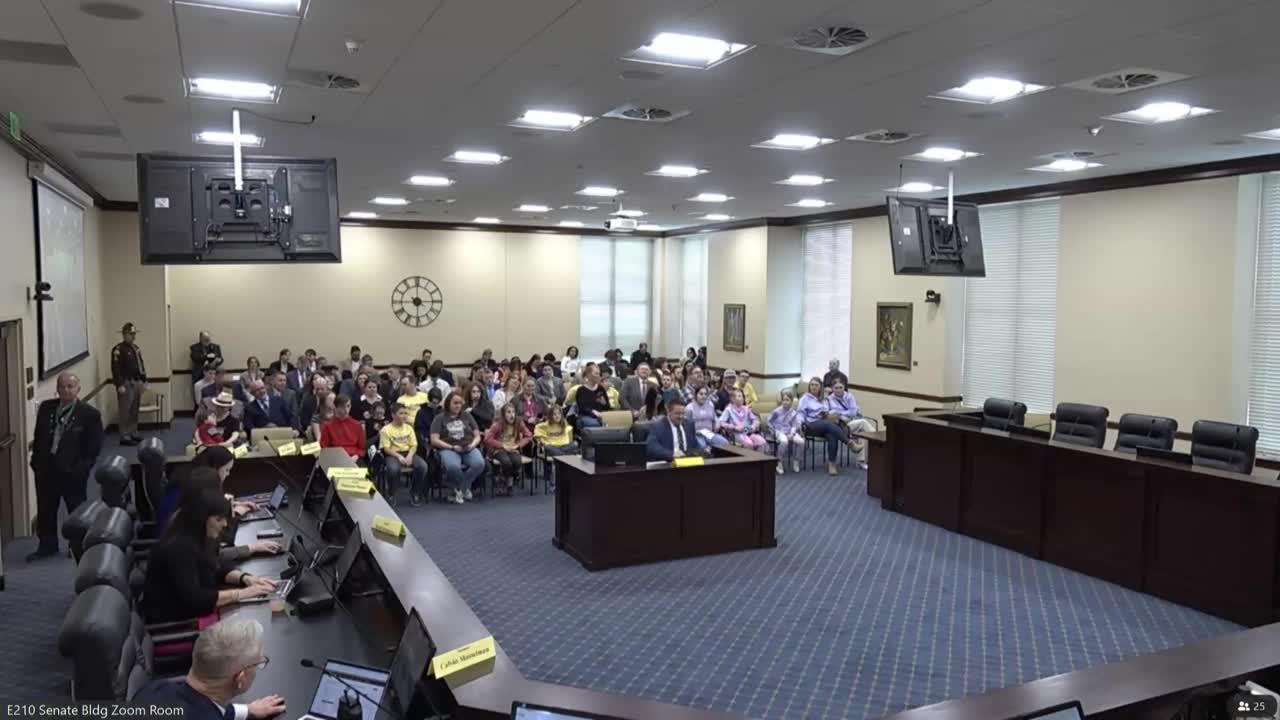
The Senate Judiciary, Law Enforcement and Criminal Justice Standing Committee met to consider a range of bills. Committee action moved several measures toward final Senate consideration and produced a high‑profile debate on polygraph use for sexual‑assault victims.
Highlights
- HB 195 (House Bill 195, first substitute): Favorably recommended to the Senate (committee vote 4–2). The bill narrows when prosecutors or courts may require firearm forfeiture as a condition of a plea in abeyance unless the person later becomes a restricted person. (See separate story.)
- HB 17 (Representative Sandra Romero): The committee debated a prohibition on asking or compelling sexual‑assault victims to take polygraph tests. The committee voted 4–2 to amend the bill by removing the word “request” so the prohibition would apply only to compelled examinations. The sponsor said that deletion could jeopardize federal Violence Against Women Act funding; she asked for time to consult, and the committee took no final recommendation during the meeting.
- HB 209 (third substitute, as amended): The committee unanimously recommended the bill to the full Senate (7–0). Sponsors said the bill corrects drafting issues that caused some districts to require additional screening for parents filing homeschool affidavits; opponents warned that removing language could make it easier for abusers to isolate children.
- SCR 4 (concurrent resolution): The committee favorably recommended the resolution declaring the last day in April a community health day addressing loneliness and social isolation; members placed the measure on consent for the Senate calendar.
- SJR 9 (joint resolution amending civil‑procedure rules on injunctions): The committee voted to recommend favorably with Senator Escamilla recording a dissent. The measure standardizes timing for injunctive challenges to new laws so courts and the Attorney General have a predictable schedule to prepare.
- HB 150 (first substitute): Emergency communications modifications were favorably recommended unanimously. The bill clarifies bonus eligibility for 9‑1‑1 dispatch centers and allows privacy‑sensitive executive session discussions for the Utah Communications Board when needed.
- SB 271 (Unauthorized Artificial Intelligence Impersonation Act): The committee voted to recommend favorably (4–0) and the sponsor said he would continue to work with stakeholders on technical language; the bill targets commercialized AI impersonation of an identifiable person.
- HB 255 (first substitute): Land‑use changes to permit smaller minor subdivisions in larger parcels were favorably recommended unanimously; sponsors said the bill would help keep family members on working farms and reduce survey costs for qualifying parcels.
Votes at a glance (committee actions)
- HB 195 (first substitute): Favorable recommendation to Senate; 4–2 (Escamilla, Pitcher — no). - HB 17 (as amended): Committee adopted amendment to remove “request or” (4–2). Sponsor requested hold for funding review; no final committee recommendation recorded during the meeting. - HB 209 (third substitute, as amended): Favorable recommendation to Senate; unanimous (7–0). - SCR 4: Favorable recommendation; unanimous; placed on consent. - SJR 9: Favorable recommendation; recorded dissent by Senator Escamilla. - HB 150 (first substitute): Favorable recommendation; unanimous. - SB 271: Favorable recommendation; 4–0. - HB 255 (first substitute): Favorable recommendation; unanimous.
What’s next: Bills marked favorably recommended will be scheduled for Senate floor consideration; sponsors and stakeholders signaled further technical work on several measures (for example, SB 271’s AI language and funding clarifications for HB 17).