Get Full Government Meeting Transcripts, Videos, & Alerts Forever!
Get email alerts on the Aprn Prescribing topic
No spam. Unsubscribe anytime.
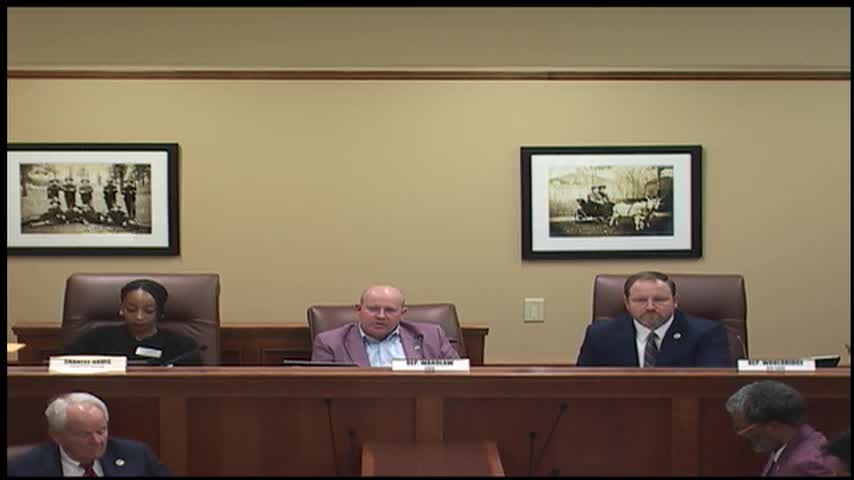
House committee considers expanding APRN authority to prescribe Schedule II drugs; measure fails after hours of debate
Summary
Lawmakers debated a bill to let advanced practice registered nurses (APRNs) prescribe Schedule II controlled substances and to revise collaborative-practice rules. Supporters said the change would expand access in rural areas; medical groups warned it could increase opioid and stimulant risks. The committee voted the bill down.
The House Public Health, Welfare and Labor Committee on an undisclosed date heard extended testimony and debate on House Bill 11 32, a bill to expand some APRNs’ prescriptive authority to allow prescribing of Schedule II controlled substances, including stimulants, under rules to be written by the Arkansas State Board of Nursing.
Representative Pilkington, the bill sponsor, said the measure would "increase access to healthcare services provided by advanced practice registered nurses" and allow APRNs to prescribe across schedules "including Schedule 2 stimulants, under specific regulations," particularly to serve rural and underserved areas.
Proponents told the committee it would reduce delays and costs for families. Leonie DeClerk of the Arkansas Nurse Practitioner Association testified that APRNs in Arkansas have prescribed controlled substances under varying authority since the 1990s and that stricter oversight and training enacted in recent years (including the state prescription drug monitoring program and new training requirements) mitigate risks. "Initiation of treatment is delayed due to the need for another appointment," DeClerk said, arguing that delays hurt patient care and raised costs for families who must travel or miss work.
Psychiatric nurse practitioner Sarah Jones and other APRNs said the restriction requires extra visits for patients with ADHD and can be a barrier to treatment. "When it comes to Schedule 2 medications... Arkansas is one of four states that actually limit nurse practitioners prescribing Schedule twos," Jones said, arguing the state's limits reduce access and that APRNs are trained in assessment and follow-up care.
Opponents included the Arkansas Medical Society. David Roten, the society's executive vice president, opposed the bill and called the proposed expansion "an opportunity to increase access to drugs, not providers." Roten and other doctors warned about addiction and diversion risks for opioids and stimulants and argued current guardrails were appropriate. "These are highly addictive drugs and that is why they're Schedule IIs," Roten said.
Committee members questioned specifics of oversight, scope and whether the bill would give broad authority to all APRNs regardless of specialty. Representative Johnson noted concern that the nursing board, whose membership includes non-prescribing RNs and LPNs, would write stimulant rules; he said the board may lack the prescriptive expertise to set adequate standards.
Sponsor Pilkington said the bill includes a review step: "before approval of Arkansas State Board of Nursing rules, Arkansas State Medical Board shall review the proposed rules and verify the proposed rules are consistent" with medical board rules.
After extended testimony from APRNs, physicians and others, the committee voted on a motion to pass the bill. The final tally was not read aloud in the transcript excerpt, but the chair announced, "All those in favor, say aye... All those opposed? No. We'll rule the bill is failed."