Get Full Government Meeting Transcripts, Videos, & Alerts Forever!
Get email alerts on the Education Homeschooling topic
No spam. Unsubscribe anytime.
Committee approves homeschool bill after contested public testimony; sponsor says it fixes unintended consequences
Summary
The committee unanimously recommended third substitute House Bill 209, which removes criminal‑statute references from the homeschool code section and makes procedural changes to homeschool affidavits after parents reported district-level confusion and delays.
The Senate Judiciary Committee unanimously recommended third substitute House Bill 209 after extensive public testimony both for and against the measure. Representative Nicholeen Peck, the sponsor, said the bill corrects unintended consequences from a 2023 change that some school districts interpreted to require background checks or additional screening when a parent filed a homeschool affidavit.
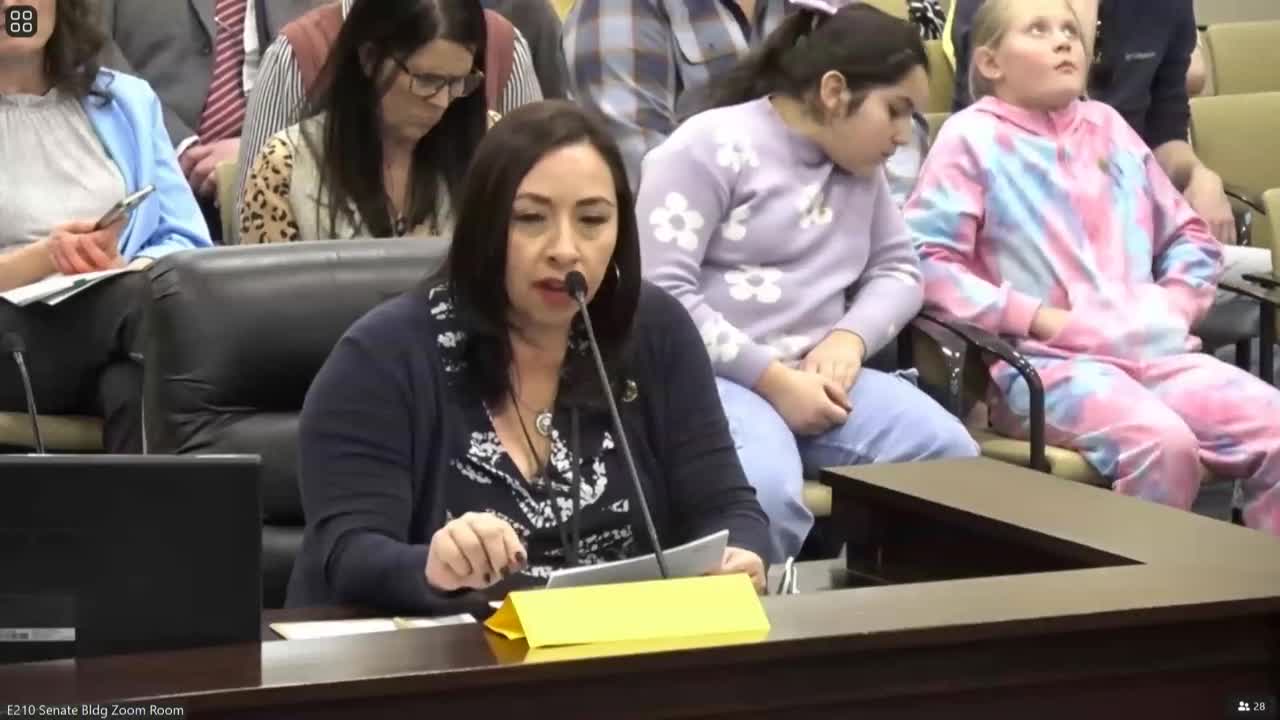
Elizabeth Madrid, a Davis County parent, described a summer‑long delay after the district initially said it could not accept her homeschool affidavit because of a change in state law. She said the district later accepted the affidavit only after intervention by the Homeschool Legal Defense Association; Madrid testified the process took 135 days and produced “anxiety, frustration, all on both my family's side and … the school district side as well.” She asked lawmakers to pass HB 209 to remove ambiguity.
Supporters including homeschool organizations and parents argued HB 209 strikes criminal references from the homeschool code section and narrows the state action to preserve parental responsibility for education without suggesting that adverse criminal behavior is associated with homeschooling. Ken Verboncoeur of the Utah Homeschool Association, Nina Wolf of the UHope Coalition and other parents testified in favor.
Opponents included individuals who reported personal experience of abuse while homeschooled and representatives of groups that track extreme abuse cases in homeschool settings. Eve Ettinger of the Coalition for Responsible Home Education said child abusers can — and have — used homeschooling to isolate victims and asked legislators not to remove existing statutory protections. Several former homeschool students and advocates urged the committee to retain safeguards.
Representative Peck and supporters said the bill does not change the criminal statutes that address child abuse and neglect; instead, it avoids implied associations between homeschooling and child abuse and addresses administrative issues such as affidavit renewal for dual enrollment. The committee adopted a technical House amendment and then voted to favorably recommend the third substitute as amended. The committee vote was unanimous (7–0).
What happens next: The bill will move to the Senate floor for further action.