Citizen Portal
Sign In

Senate committee advances bill to make losing horse-racing appeals pay legal costs

2350325 · February 19, 2025

Loading...

AI-Generated Content: All content on this page was generated by AI to highlight key points from the meeting. For complete details and context, we recommend watching the full video. so we can fix them.

Summary

Senate Bill 276 would allow the Utah Horse Racing Commission to recover attorney fees from trainers or owners who appeal a positive drug test and lose; the committee passed the bill unanimously after testimony about cross‑state racing and commission expenses.

The Utah Senate Natural Resources, Agriculture and Environment Standing Committee advanced Senate Bill 276, which would permit the Horse Racing Commission to recover attorney fees from trainers or owners who appeal positive drug tests and lose at the conclusion of the appeals process, the committee heard at a meeting.

The bill’s sponsor, Senator McKell, said the change is aimed at stopping participants who continue to race while appeals are pending and imposing the commission’s legal costs on unsuccessful appellants. “If you appeal and you go through the process of split sample and you lose, you get to pay attorney fees,” Senator McKell said. He described repeated cases in which split samples confirmed the original positive test and said appeals imposed substantial legal costs on the agency.

The Nut Graf: Supporters told the committee that trainers and owners sometimes continue to race in other states while Utah appeals are pending; committee testimony said those out‑of‑state starts can allow horses to race while drug residues decline and become harder to detect, and that the commission has borne litigation costs.

Lianne Hunting, executive director of the Utah Horse Racing Commission at the Department of Agriculture and Food, told the committee the commission had upheld stewards’ rulings in recent appeals and then faced costlier litigation in court. “We not only are they allowed to run in other states, but they're actually allowed to run in Utah while that's under appeal,” Hunting said, adding that the litigation has caused “a lot of expense to the Department of Agriculture, on the attorney general side.”

Committee members asked whether athletes or trainers could continue to race in other states during appeals; sponsors and Hunting said they could because Utah is not part of some multi‑state compacts that provide reciprocal enforcement for pari‑mutuel suspensions. Senator McKell and others described split‑sample testing (additional testing of preserved samples) as confirming the original positives in the cases they cited.

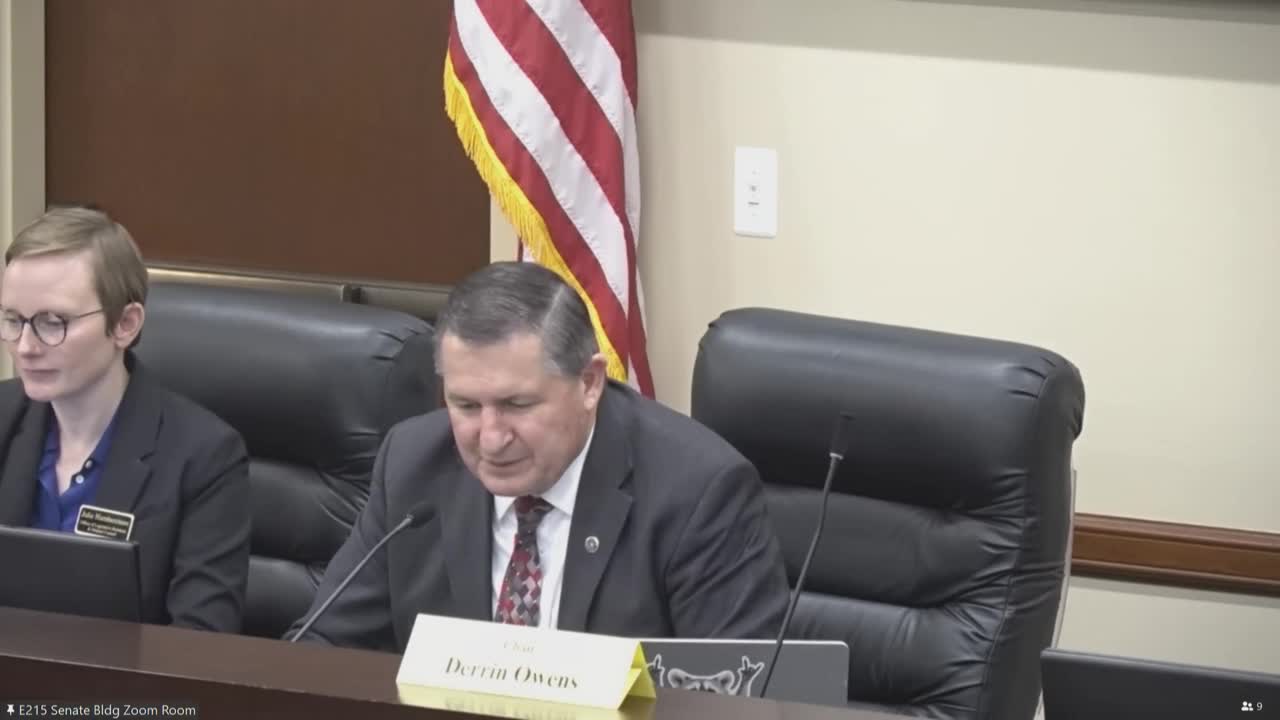
Senator Hankins moved to pass the bill with a favorable recommendation; the committee voted to pass the bill unanimously. Senator McKell said he would seek to move up the bill’s effective date so it would take effect before the upcoming racing season.

Ending: The bill now moves to the full Senate for further consideration; committee members and the commission noted the proposal is intended to deter drug use in racing and to reduce the commission’s litigation expenses.